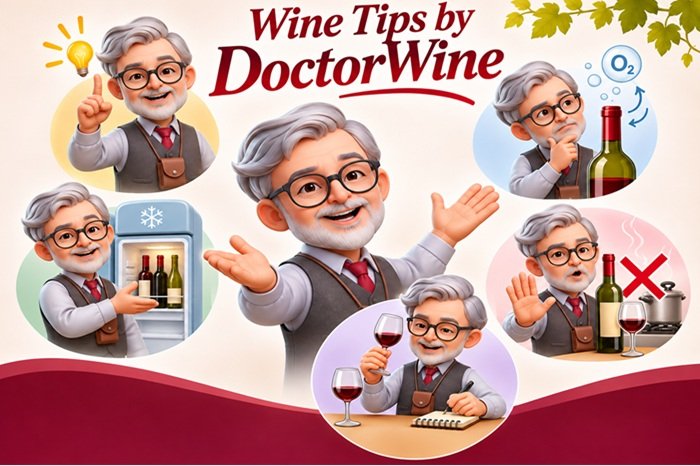
Introducing “Wine tips by DoctorWine,” a column that answers questions about wine with clear explanations, examples, and practical tips. Let’s start with a half-empty bottle: how long will it last, where should you store it, and what steps can you take to preserve its aromas and flavor – without falling for common myths?
Which wine should you choose for dinner? At what temperature should you serve it? What does “tannic” really mean? The world of wine sparks curiosity, but its specialized language can make even the simplest answers seem complicated. That’s where this comes in Wine tips by DoctorWine: a column designed to guide those new to wine and those who want to learn more about it.
Each session will begin with a specific question, with easy-to-understand explanations and a short hands-on exercise.
The first one involves a family situation: dinner is over, and there’s some wine left in the bottle. How should you store it?
The short answer
Close the bottle and put it in the refrigerator, even if it’s a red. For still wines, three to four days is a general guideline; for sparkling wines, it’s best to aim for one to two days, using a special stopper. These aren’t strict deadlines: some bottles lose their freshness sooner, while others hold up better.
What Will Change After the Opening?
Air changes wine and this change begins the moment the bottle is opened. At first, it can help the wine express its aromas; over time, oxidation tends to diminish them and alter the taste. With sparkling wines, there is also the gradual loss of carbon dioxide—and thus the bubbles. Proper storage helps slow down these changes.
It also depends on how much wine is left: leaving just a few centimeters at the bottom of a bottle leaves too much space for air.
The refrigerator is also fine for red wine

Cold temperatures slow down oxidation reactions. After use, therefore, close the bottle tightly right away and store it in the refrigerator, preferably upright. This position reduces the surface area of the liquid exposed to the air compared to when it is stored horizontally.
Before serving a red wine again, allow it time to reach a temperature suitable for tasting.
How long should we keep it in the refrigerator?
- Still white and rosé wines: 2–3 days, tightly sealed. Keep in mind that the aromas fade sooner.
- Still red wines: 4–5 days, tightly sealed. The wine’s age may affect the duration.
- Sparkling and semi-sparkling wines: no more than 1–2 days, with a special stopper for sparkling wines.
- Passito and sweet wines: 10–15 days, thanks to their high concentration of sugar and alcohol, which protect them from oxidation longer than dry wines.
These time frames apply to wine stored under normal household conditions, but it’s important to remember that the wine begins to lose its organoleptic qualities after just one day.
Bottle Caps and Accessories: What You Really Need
A cap that seals tightly is the first line of defense. The Pump-top bottles with valve stoppers remove some of the air and can extend the shelf life of still wines. Systems with protective gases offer other options, with results depending on the device and its proper use.
For sparkling wines , you need a stopper suitable for the pressure: a vacuum pump would cause the gas to escape. And what about the teaspoon in the neck of the bottle? It doesn’t preserve the bubbles: it’s a habit with no proven effectiveness.
Three mistakes to avoid
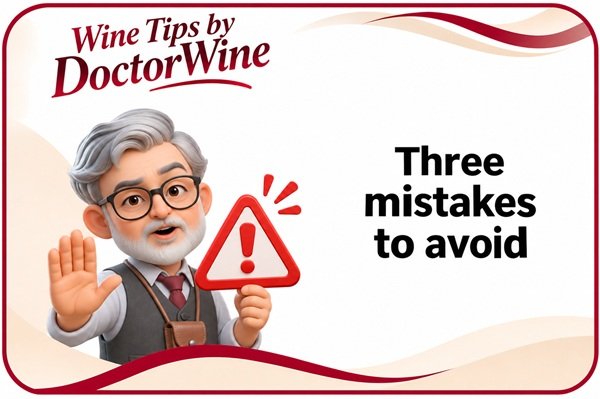
- Leave the red wine on the kitchen counter, perhaps near the stove: once opened, it’s best to store it in the refrigerator as well.
- Wait until the next day to reseal the bottle: you should protect it as soon as you’re done serving it.
- Don’t assume that an accessory can restore freshness to a wine that’s already gone bad: it can help preserve it, but it can’t turn back time.
The Practical Test
The next time you open a bottle of still wine, note down two or three impressions: a recognizable aroma, its freshness, and the persistence of the flavor. Recork the bottle and store it in the refrigerator. The next day, pour a small taste at a temperature similar to the initial one, and compare your impressions.
Is the fruit still distinct? Does the wine seem more expressive, or has it lost its liveliness? If necessary, repeat the tasting the following day. Small tastings are enough: observing how a bottle changes helps you understand why the calendar alone isn’t enough.
Follow us for more answers to your thirst for knowledge, and write to us if you have any questions or topics you’d like to explore in depth: redazione@doctorwine.it.