
The Fair first, of course, a just-concluded Wine Paris 2026 that filled the halls with different languages, handshakes, measured toasts and professional smiles. Which celebrates great records for number of visits, organization, new ideas and hopes for the future. But between booths, while everyone has had their say, there is one phrase that comes back, whispered with an air of complicity: “Yes, but we are in Paris.” Rosanna Ferraro‘s story.
Because then you’re in Paris.
And it is not a detail.
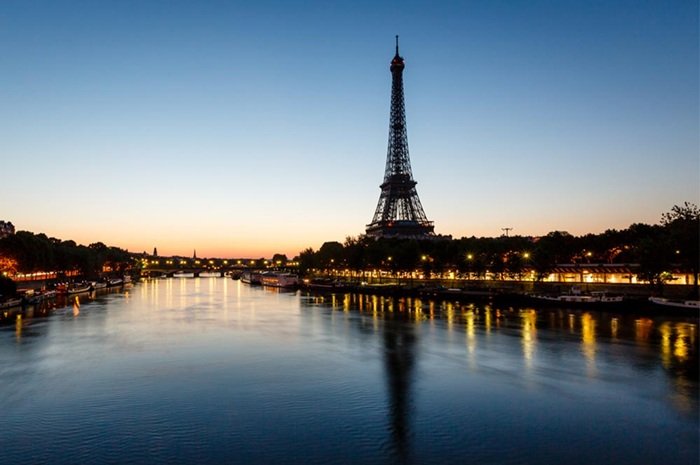
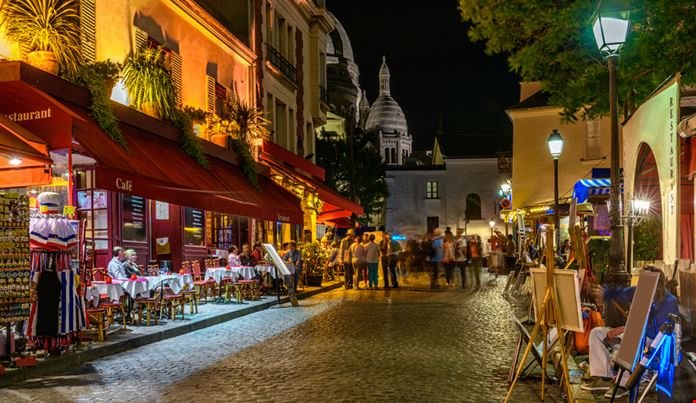
It is the Ville Lumière which with its charm welcomes the people of wine – and no wine – with an almost disarming naturalness. In the normality of the city, without having to submit to the blackmail of costs tripled for the occasion by hotels, housing shortages that force people to widen their search for a bed miles away, nonexistent transportation and unobtainable parking, and all the other inconveniences that are recorded at other major fairs, from Düsseldorf to Verona, where the former is now seen as in agony, while for the latter one always hopes for some change that will make it come back into vogue, and not just out of parochialism.
Then – we are professionals but in the evening we are women and men looking for a little relaxation – we launch ourselves without remorse into the conquest of a plateau d’huîtres-vinaigrette à l’èchalote, of a sophisticated foie gras, of aristocratic macaroons and of buttery croissants (by virtue of which coffee is also glossed over). There’s an evening stroll along the illuminated boulevards, a peek at window displays and exclusive shopping, why not, while we’re at it. And then the temptation of a museum “on the fly”-a trip to the Louvre or the Quai d’Orsay-even if only to say you’ve been there.
In short, there is life beyond wine in Paris, and France knows it.
Inside the Fair
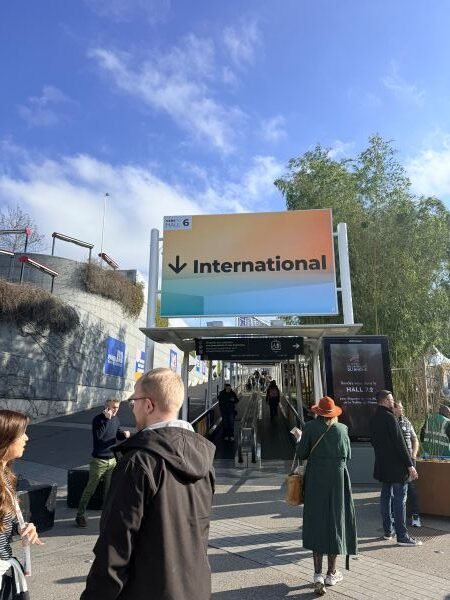
Then you enter the halls.
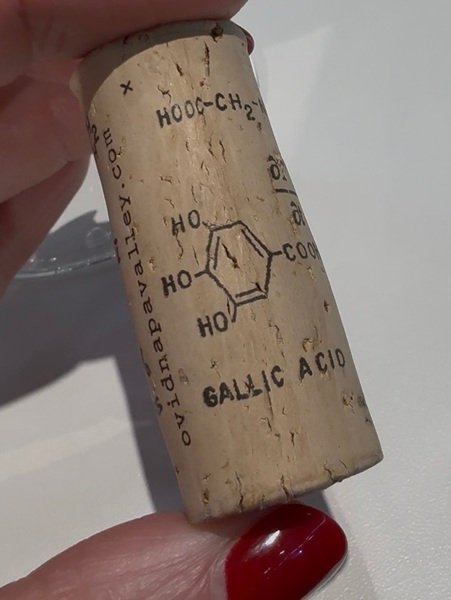
There is the area Be No – the world of alcohol-free and alternatives, sans alcohol/nouvelles alternatives, for a consumption durable et soucieuse de la santé – which compared to two previous editions doubled the number of exhibitors. I launched myself, in an almost anthropological spirit, into a tasting marathon: thirty-six, one after another (no alcohol anyway). Between Spanish, German, French Italian and other wineries, from sparkling apple juice to less identifiable hints (some decidedly unpleasant), I heard it all and tried to figure out what is really going on in the glass and, more importantly, outside. It is a universe that speaks a different language, which seeks empathy, inclusion, new habits. It doesn’t always convince, but it exists. And it grows.
With a soul contrite (from the Latin crushed), I gave up and moved on.
A few steps further on, the atmosphere changes completely.
Be Spirits Is a big hit. It is pure energy: youth, music, deftly shaken cocktails, a light and inclusive atmosphere. Here we laugh more, photograph more, and experiment without too much formalism. It is hard not to grasp the paradox with the world of the no alcohol, supported by proclamations flaunted to an increasingly health-oriented-or driven-consumer, who, however, sees wine alone as his enemy, while hard liquor, in whatever form, is dispensed with as if it were the sassy little brother to whom everything is allowed.
Yet it is precisely this coexistence that is telling of the moment the sector is experiencing.
The heart wine
And finally here it is, the heart of the fair dedicated to the traditional wines.
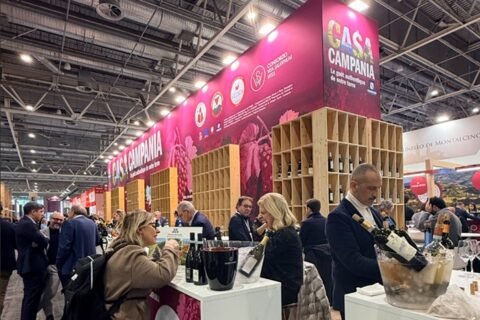
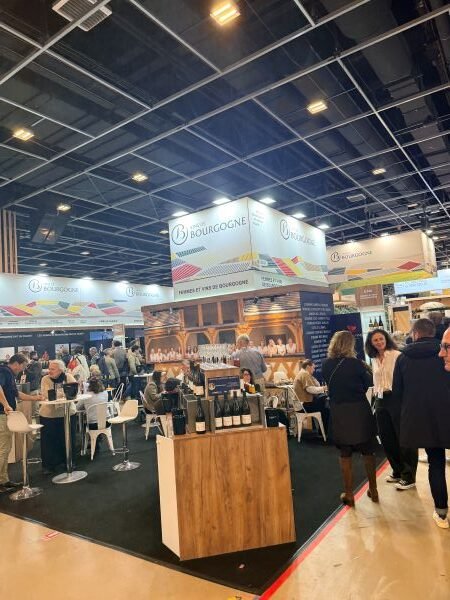
The central pavilion is a mosaic of colorful booths, dense conversations, and tastings that follow one another with almost military discipline. There are no disjointed assaults: We are professionals, after all. We go from crowded counters to lonely producers scrolling through their phones waiting for the next appointment. Scenes we’ve seen before, the movie of every major trade show. But here with a different direction.
By Italy there is some everywhere
You can sense presence, determination, a desire to be there. The Franciacortini preside elegantly, the regions tell their stories with different accents, and some murmur that next year the geography of the pavilions might change: Italy might be united in Pavilion No. 1 (which does not yet exist), which is very decentralized compared to the pre-existing set of pavilions. Would this be a good thing? A bad thing? Or just another chapter to be written? Everyone has their own answer.
Manufacturers have been provided with a digital platform through which they can plan their B2B meeting agenda in advance, but the Fair continues to grow while buyers do not, so it will become increasingly difficult to balance supply and demand. “The deck is that – said the sales manager of a large company – if you pull it to one side it uncovers you to the other, ergo, the more attendance increases, the less there will be for everyone“.
Italy with its offerings focuses on identity, specificity, diversity of the territory. But not all consumers in the many corners of the world are so sensitive or willing to “study,” and not all buyers to invest.
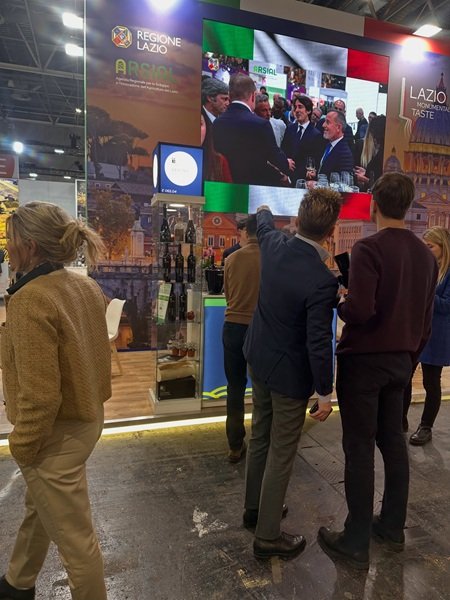
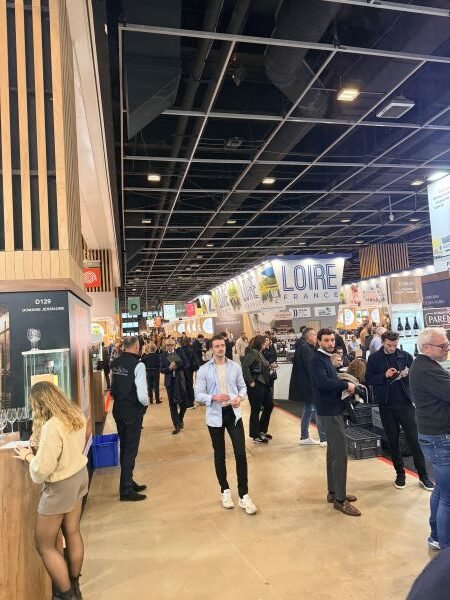
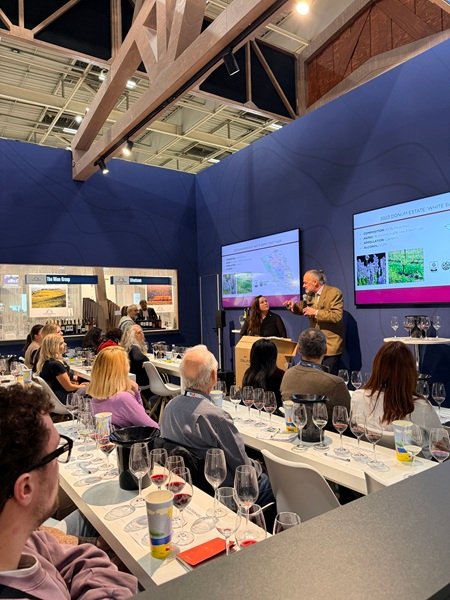
The famous (or infamous?) Hall 2
And then there is he, the controversial Pavilion 2, which seems to have been conceived at the last minute.
Half-painted ceiling, no amenities, and no dining space to speak of, backstage atmosphere rather than international catwalk. Some call it “subscale“, someone else looks at it philosophically. It houses important labels, prestigious bubbles, and coexists – unexpectedly – with the world of dealcolates. Symbolic choice? Coincidence? Provocation? Hard to say.
But that is also part of the story.
The final feeling
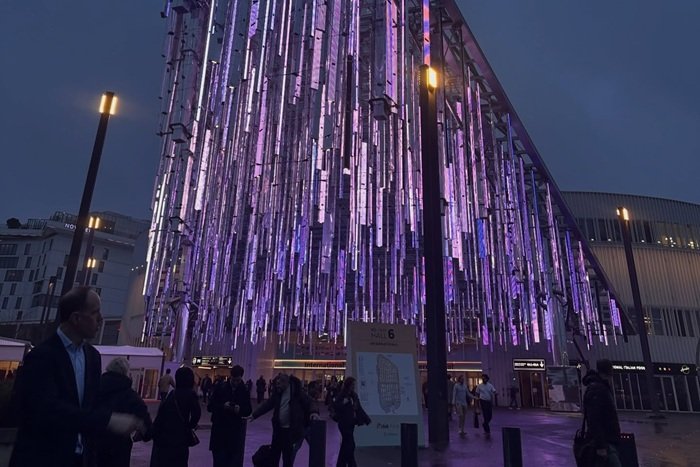 Between one aisle and another, one catches enthusiasms, perplexities, hopes. There are those who toast in satisfaction and those who wonder in silence. There are those who see opportunities and those who measure with caution. This is how the fair flows: made up of successful encounters and expectations, real smiles and promising handshakes.
More questions than answers, perhaps.
But one certainty remains. When you go out in the evening and the February air barely pinches your face as the city lights reflect off the Seine, you understand why, in the end, everyone repeats it: Paris is well worth a fair.