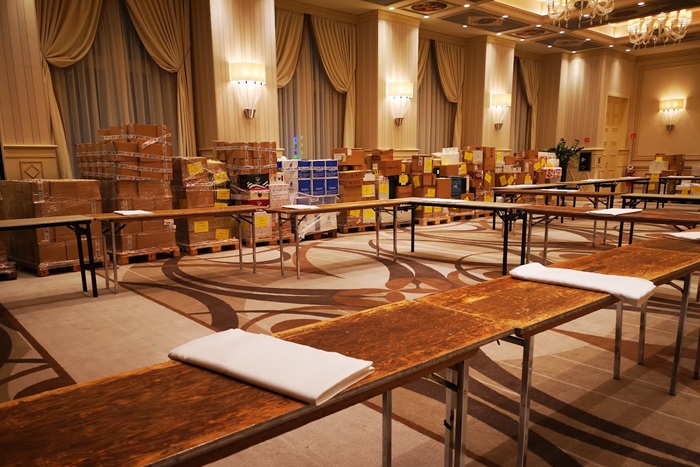
Hundreds of wineries, thousands of wine enthusiasts, wines, wine glasses, and venues to set up: behind every wine event lies a great deal of work that the public sees only in part. The three presentations of the Essential Guide provide an opportunity to tell this story and reflect on the role of in-person gatherings during a challenging time for the wine world.
October and part of November are the months when wine events are most plentiful, at least in Italy. Guide launches, starting with DoctorWine, then Slow Food, Gambero Rosso, and so on—followed by those from AIS, FIS, and Veronelli. Then there’s the Merano Wine Festival, Milan Wine Week, FIVI, and the list goes on and on.
Many of DoctorWine’s readers attend one or more of these events. I don’t know how many, however, wonder—perhaps just out of curiosity— what goes on behind the scenes. In short, how these events are organized, how much work goes into them, and what challenges arise from logistics that can sometimes be so complex.
Three cities, one complex organizational structure
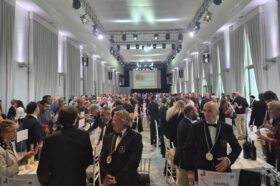
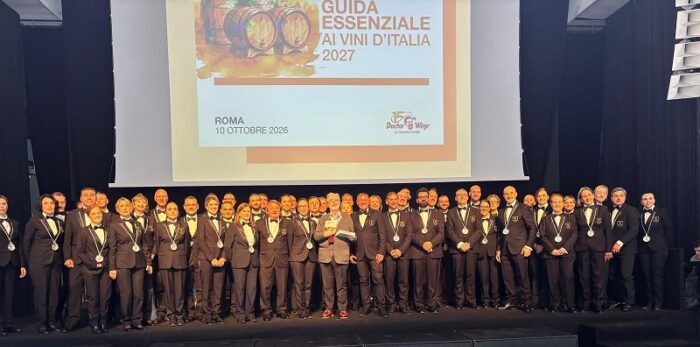
We at DoctorWine have organized three presentations of our Essential Guide. The first one in Milan on October 3, the second in Rome on October 10, and the third in London on the 21st of the same month. We had about 300 wineries participating, each bringing at least three wines, with all the bottles to be handled. About 2,500 people attended, and they were provided with a glass, food, water, and everything else they needed. Some people purchased the guide—which, of course, had to be physically available—others downloaded the app for free, and many signed up for our newsletter.
The Work the Public Doesn’t See

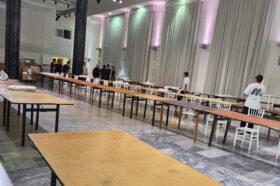
In addition to the DoctorWine staff —whom I continue to thank for their dedication and genuine selflessness—a total of 150 sommeliers from Fisar who did a fantastic job. Two hours before the tasting was set to begin, it seemed unthinkable that we’d be able to get everything done. Rooms with open boxes scattered about, setups still in progress— it was like a scene from Dante’s Inferno.
Multiply this workload by the number of events, and you’ll realize what organizational machinery has been set in motion. All for the world of wine, which cannot be “experienced” solely in a virtual way.
Putting Wine Back at the Center
These events serve to put wine back in the spotlight among enthusiasts, professionals, and both the specialized and general press. This is especially true at a time when the overall image of the wine industry is not at its best.
Will they help? Will they manage to improve the situation, even if only slightly? Personally, I think so. For a month, people have been talking, are talking, and will continue to talk about wine. Thousands of people have had the chance to taste wines that are rarely available elsewhere—whether because they’re rare, expensive, or little-known.
Therefore, all these events help raise awareness among an interested audience about the best Italian wines. And behind it all lies dedication, a mountain of work by hundreds and hundreds of people who give it their all, and without whom none of this would be possible.
PHOTO GALLERY.