
The Ipsos Doxa study reveals that while the name is familiar to nearly all Italians, there is room for growth in understanding the production method. The region itself encourages purchasing, while price and the brand’s appeal to young people pose new challenges for communication.
Knowing a name doesn’t mean knowing what’s in the glass. This is the most interesting finding from the new Ipsos Doxa study on Franciacorta, commissioned by the Consortium more than ten years after the previous survey. While 94% of Italians say they are at least nominally familiar with the appellation, only 42% claim to correctly understand its production method.
The study, which combines a survey of a sample of Italian consumers with an analysis of online conversations, explores brand awareness, consumption and purchasing habits, perception of value, and the relationship with the local area. Seventy-five percent say they have tasted Franciacorta at least once; 50% say they consume it with varying frequency.
Recognized quality, knowledge to be explored further
The brand’s image appears well-defined: 86% associate it with special occasions, 84% with high quality, and 80% with prestige. 85% recognize Franciacorta’s ability to express and highlight the region and Italian identity; a similar percentage considers it an ideal gift.

However, this reputation is not matched by an equally widespread understanding of the production process. Online conversations also reveal curiosity about the wineries, the winemaking method, and the differences compared to other types of wine—questions that more concrete communication can answer.
“The wine is widely known, but there is still room to raise awareness about the production method, the work of the wineries, and the connection to the region,” notes Emanuele Rabotti, president of the Franciacorta Consortium. For Davide Cilia, a senior researcher at Ipsos Doxa, the challenge is “to develop increasingly clear, distinctive, and understandable communication” capable of explaining the value of the appellation in accessible language.
Visiting the region influences purchasing intent
The connection to the region offers another significant indicator. Thirty-two percent of Italians have already visited Franciacorta, and among them, 51% report a greater propensity to purchase after their visit. Among those who have not yet been there, 62% believe that a visit could positively influence their purchasing decisions.
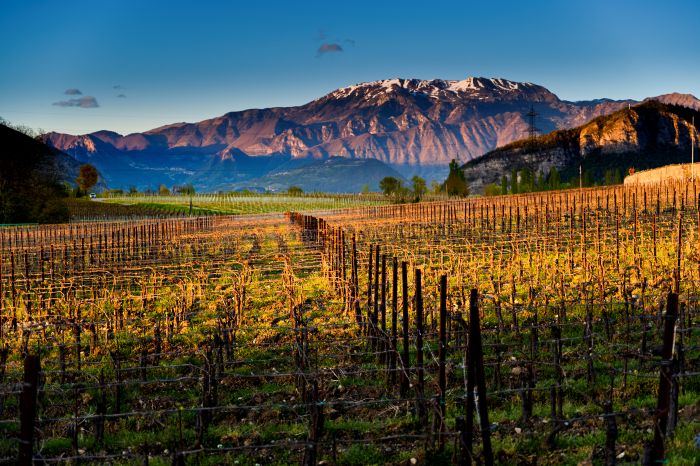
These responses highlight the potential of wine tourism, while distinguishing between stated intent and actual purchases. Visiting a winery allows visitors to connect the bottle to the work, the people, and the landscape from which it originates.
“Getting to know a region, visiting a winery, and meeting the people who produce the wine helps you gain a deeper understanding of its value, which is rooted in expertise, care, and time”. Comments Mauro Ferraresi, a consumer sociologist and associate professor at IULM University.
Young People and Price: The Challenges Ahead
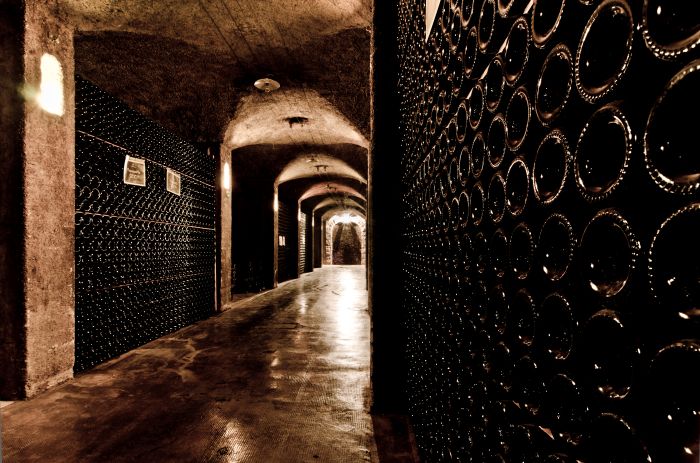
The research identifies further opportunities for growth among adults in Generation Z and the youngest Millennials. The key is to find content that resonates with their interests, while also answering essential questions: what sets a wine apart, how to choose it, and how to pair it.
Then there is the price, a significant factor for some consumers even when the quality is recognized. Describing the work in the vineyard, the timeline, and the winemaking processes can help consumers better understand the value of the bottle. But financial means still carry real weight. As economic journalist Manuela Donghi points out. “It is important to distinguish between financial capacity and an understanding of a product’s value.”

