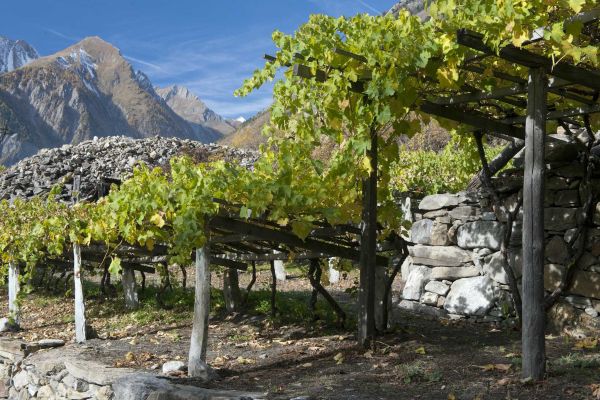


As Erika Mantovan explains, the latest vintages from the Aosta Valley reflect an extreme terroir that is regaining its balance and clarity: crisp, mineral-driven whites; agile reds; and an increasingly recognizable heritage of native grape varieties.
A Unique Collection of Varieties
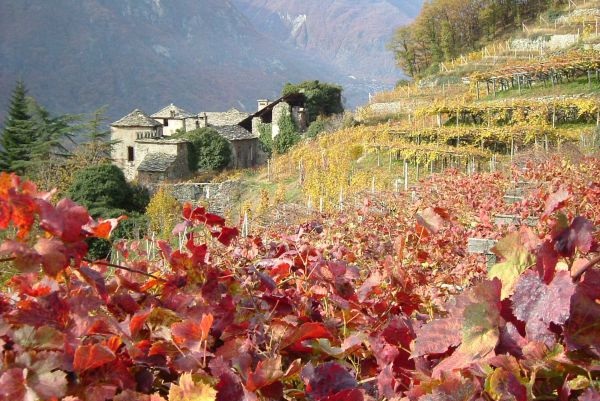
The Aosta Valley is one of Italy’s smallest wine-producing regions. Approximately 280–330 hectares and 1.5 million bottles, almost all of which are produced under the sole regional appellation, Valle d’Aosta/Vallée d’Aoste DOC. Alongside international varieties such as Chardonnay and Pinot Noir, which contributed to the revival of viticulture in the 1950s, the wealth of native grape varieties is surprising.
Thanks to the Swiss canon Joseph Vaudan, founder of the then École Pratique d’Agriculture. Local farmers planted international varieties that were already known and suited to cold or mountainous climates. Greater economic security then made it possible to experiment with native varieties. Prié Blanc, Petite Arvine, Petit Rouge, Fumin, Cornalin, Mayolet, Vuillermin, and Vien de Nus. Leading to the rediscovery of the uniqueness of this varietal heritage.
Extreme Viticulture

We’re in the mountains. Dizzying slopes, exclusively manual labor, and vineyards stretching from 300 to over 1,000 meters. The soils, alluvial and morainic, sandy and gravelly, have excellent drainage. Yields are low. The Consortium, which is increasingly active in organizing events, brings together about fifty wineries and is chaired by the young Nicolas Bovard, born in 1996.
The climate is distinctly alpine. Bright, breezy summers, wide temperature swings, and ripening patterns that vary greatly depending on the area and exposure. This results in taut, mineral-driven whites. Agile reds with precise fruit. And sparkling wines with a sharp, refined style. While the vintages following the Covid pandemic had produced richer, warmer, and more enveloping wines, the last two vintages have returned to styles more consistent with mountain viticulture. Not power and opulence, but freshness, defined fruit, and balanced concentration, with moderate alcohol levels.
2024 and 2025: A Comparison of the Two Years
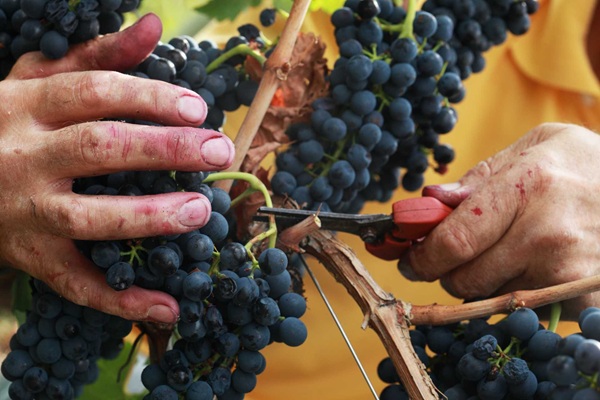
The complicated 2024 vintage is a vintage of contrasts. June rains favored downy mildew, especially along the central axis and on the native red varieties, reducing yields and necessitating stricter selections, resulting in a late and staggered harvest. Despite the variations and unforeseen challenges, the wines are more refined and less exuberant on the nose, yet highly enjoyable.
In contrast, 2025 appears to be more balanced: a typical summer, moderate heat, a dry July, and a cool spell in late August all contributed to balanced ripening. Harvests began about a week earlier than in recent years, and the overall health of the grapes was generally good. The whites exhibit a crisper aromatic profile, lively acidity, and mineral-driven finishes. Reds, especially those from sunnier slopes, display more pronounced fruit and a more defined tannic structure, while maintaining moderate alcohol levels.
Regions and Styles: What to Expect in Your Glass
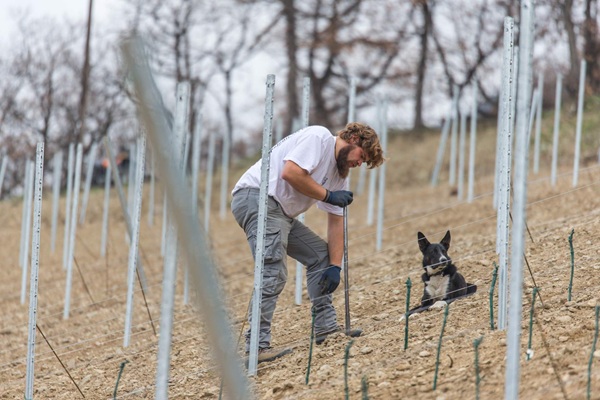
In the lower valley and the valley floor, where sparkling wine producers are generally concentrated, early harvests yield taut profiles, aromatic purity, and precision. Aymavilles and the surrounding areas, at medium-high elevations, the wide daily temperature swings foster distinct and well-defined aromas. The winemaker’s touch does not overpower the wine but rather supports its expressiveness. In the center, between Chambave and the adjacent slopes, the 2024 whites are more restrained and less exuberant, favoring elegance; in 2025, they regain aromatic richness and definition.
Moving on to Morgex, the lower alcohol content and fully matured wines provide great vibrancy. Finally, in the warmer areas, the native varieties struggle somewhat in 2024 but then regain great harmony in 2025.