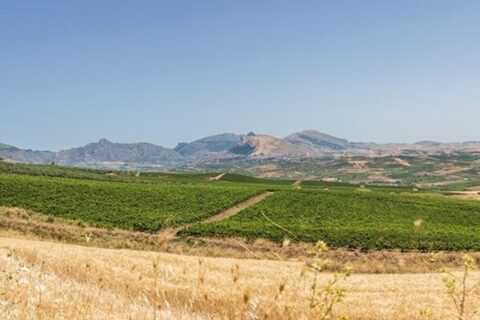

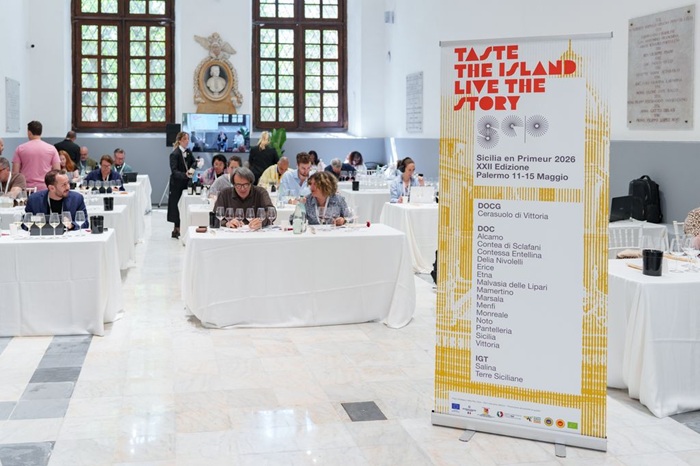

Vineyards overlooking the sea, salt flats, Phoenician islands, and wineries that look to the future without forgetting tradition. The Sicilia en Primeur wine tour took journalists and industry professionals on a journey to discover western Sicily, where wine serves as the common thread in a narrative that brings together landscape, history, sustainability, and hospitality.
As part of Sicilia en Primeur 2026, I took part in a wine tour of western Sicily, based in Marsala. The itinerary included wineries of varying sizes and approaches, all united by a desire to showcase the region, characterized by theconvergence of the sea, the wind, and diverse soils.
Cantine Pellegrino, a symbol of Marsala wine
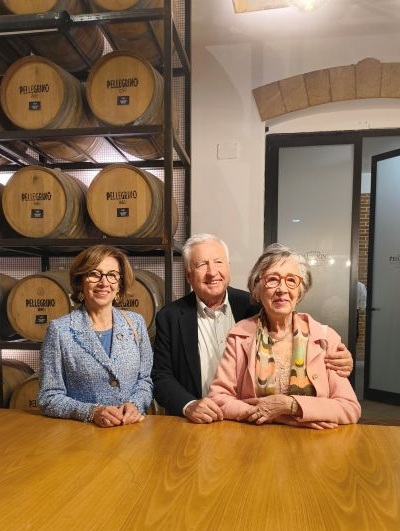

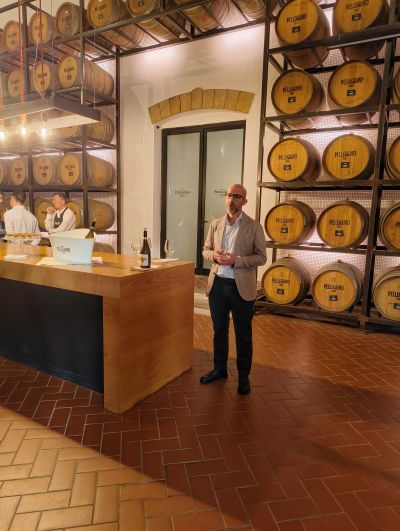
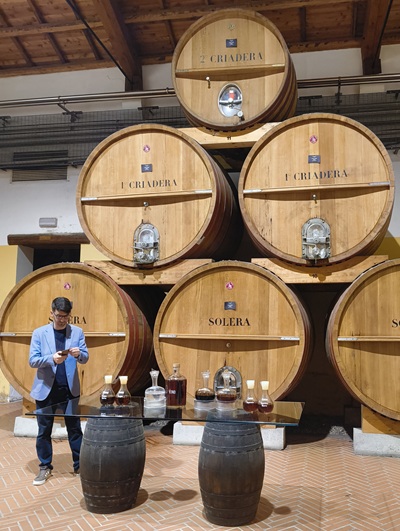
The trip began with Cantine Pellegrino, a winery that has been one of the symbols of Marsala wine for over 140 years. Six generations of the same family—with various branches—continue to preserve a legacy built across estates in western Sicily and Pantelleria, with wines that reflect the richness of the region’s diverse terroirs. Starting this year, the technical team has been strengthened by the collaboration with Pietro Russo, a highly experienced winemaker and Master of Wine.
Truly remarkable: the Marsala Vergine Riserva No. 018 Single Barrel 2005 is truly remarkable— a powerful, warm wine with a bold personality and great length. Or the Marsala Superiore Riserva Ambra Semisecco Old John 1998, warm and enveloping, taut, dry, and long-finishing. The new Pantelleria Bianco di Venere 2025, made from 100% Zibibbo, characterized by freshness, spontaneity, and lively acidity, with good balance and easy drinkability.
The next day, the tour continued with three wineries, each showcasing a different facet of Sicilian wine.
Caruso & Minini: Organic Wines and a Playful Welcome
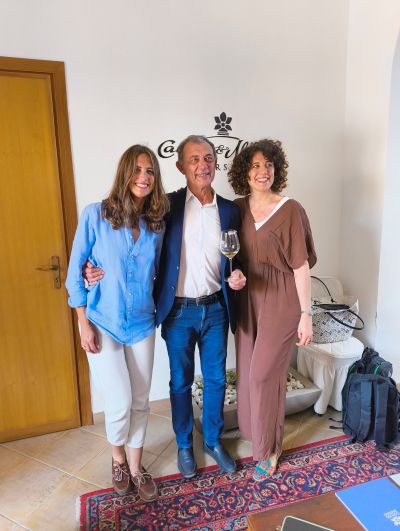
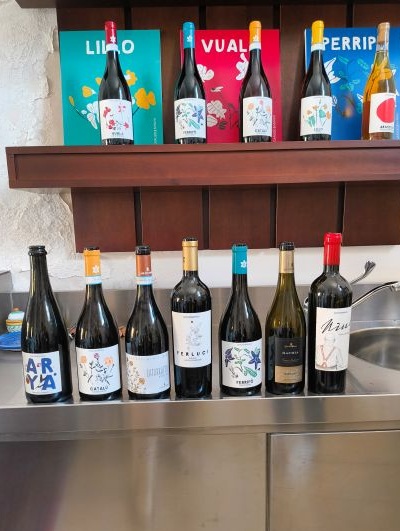
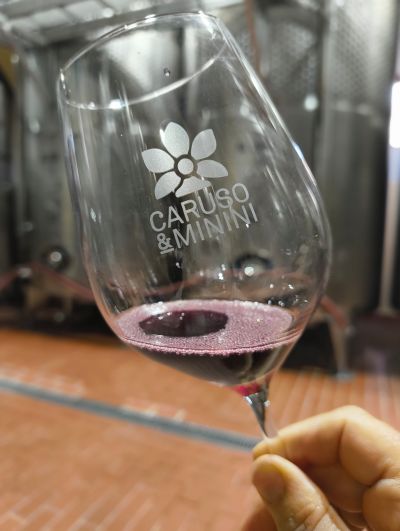
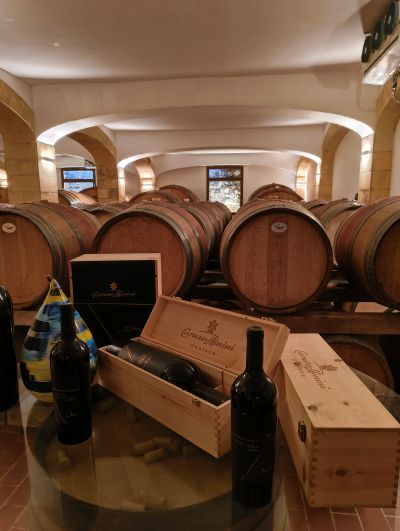
From Caruso & Minini , the focus has been on sustainability, organic farming, and social inclusion—thanks in part to the art project created in collaboration with Laboratorio Zanzara, which transforms labels into works of art born from the talent of young people with disabilities. With the fourth generation of the Caruso family, Rosanna and Giovanna, we explored the two grape varieties Catarratto and Perricone (also vinified as a white wine).
The tasting began with the Arya Metodo Classico, made from Catarratto grapes and aged 40 months on the lees: light, citrusy, crisp, and briny. Also noteworthy was the Sicilia Catarratto Catalú 2022, with notes of hydrocarbons and anise, and the Terre Siciliane Perluci 2025, 60% Catarratto, 40% Perricone vinified as a white wine, from old vines. It combines floral and lemony notes with herbaceous and green pepper hints, resulting in great freshness on the palate. After that, the Terre Siciliane Perricone Perripò 2023 is intense and fruity on the nose, with a very pleasant palate featuring well-integrated tannins. All are well-crafted wines at reasonable prices.
Baglio Oro: Hospitality and Lots of Enthusiasm
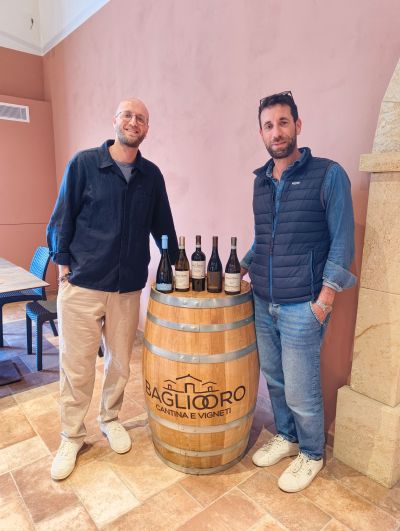
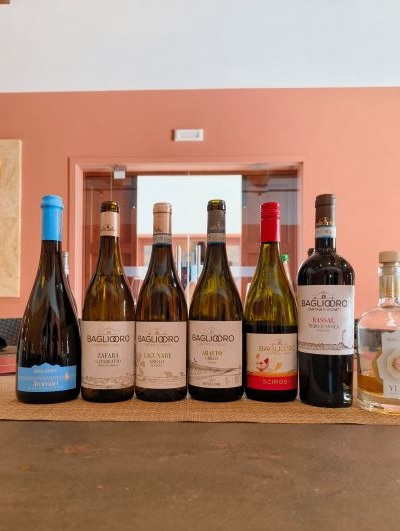

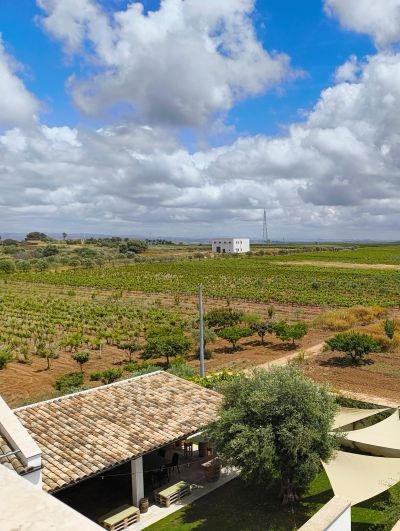
Founded in 2008 through the restoration of historic family farms, Baglio Oro has instead focused on hospitality, biodiversity, and the circular economy, featuring solar panels, lightweight bottles, and a welcoming experience designed to let guests truly experience the region beyond just wine tastings.
Gianluca and Giuseppe Laulicina are young, determined, and passionate. The estate is large—100 hectares—producing approximately 400,000 bottles, in addition to extra virgin olive oil made from the Biancolilla and Nocellara cultivars. Around the winery, they grow Grecanico and Zibibbo; in Contrada Zafarana, Catarratto; and in the Stagnone Lagoon, Grillo. The first two grape varieties are used to produce a simple, easy-drinking sparkling wine, Ammari; from the Catarratto, they produce Zafarà, which is floral and well-rounded, while the Grillo gives rise to the Lagunare, with notes of salt and lemon (Terre Siciliane IGT wines). The DOC designation is for the Grillo Aralto, which undergoes aging in wooden barrels and thus offers a toasty note along with good depth of flavor and a lingering finish. These are simple wines that point in a recognizable direction but still need some refinement.
Cantine Fina: A Wide Variety of Regions and Grape Varieties, with its Heart in the Stagnone
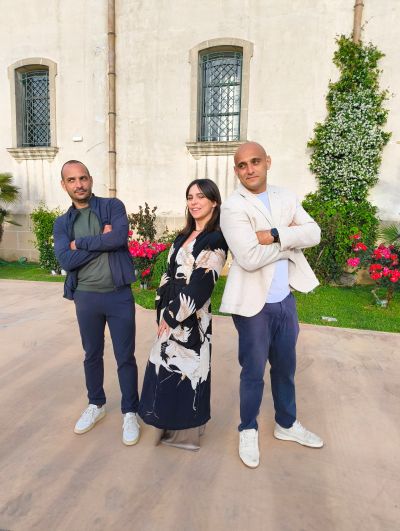

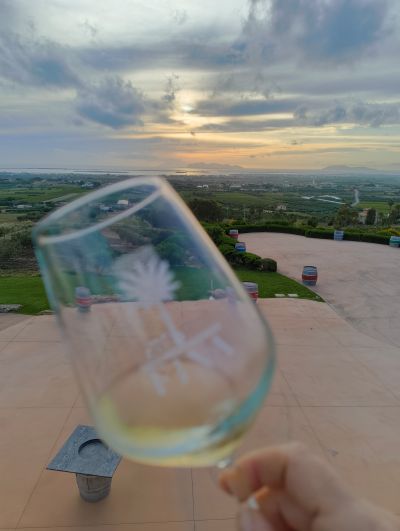
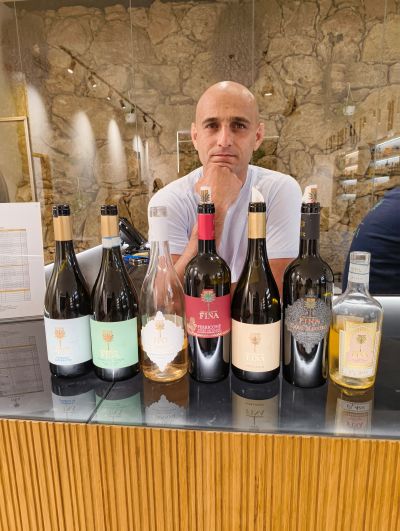
Then Cantine Fina, where winemaker Bruno Fina and his three children—Sergio (also a winemaker), Marco, and Federica, known as Kika— have developed a project that portrays Sicily as a mosaic of microclimates. The vineyards are spread across different areas of the island, between the provinces of Trapani and Palermo, comprising 28 hectares of owned land plus approximately 300 hectares from long-standing contract growers, who have been part of the project for 30 years thanks to the initiative of Giacomo Tachis. This great diversity of soils allows the winery to showcase both native and international grape varieties, with production nearing one million bottles.
The winery is located on a hill overlooking the Stagnone Lagoon and the Egadi Islands, offering an unforgettable view that is particularly striking at sunset.
Of particular note is the Sicilia Grillo Riserva Firma del Tempo 2023, from the Stagnone Project, which rests on fine lees for 18 months. Complex on the nose, full-bodied, with a luscious development and a salty finish. It meets the demand for greater aging compared to the Grillo Kebrilla, which makes freshness its trump card. The sparkling wine Terre Siciliane Catarratto Fiorente 2024, which also comes from the Stagnone area, perfumes of sea breeze and lemon zest.
We continue with the Perricone 2025, with aromas of strawberries and herbs, full of flavor, with a slight tannic bite and a very fruity finish. Finally, a red table wine: the Vitrarolo (2024), a heirloom grape variety discovered in the Nebrodi Mountains by a 90-year-old farmer, who continued to cultivate it because it was resistant to phylloxera. Interesting on the nose, fresh, almost balsamic, with notes of black cherry and a hint of ash. Full-bodied, juicy, with well-integrated tannins and a very flavorful finish.
Marsala, Mozia, and the Stagnone
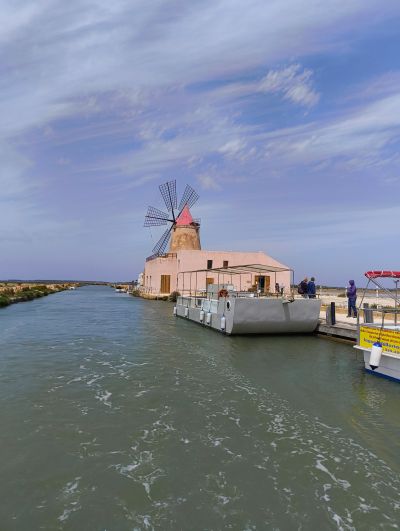
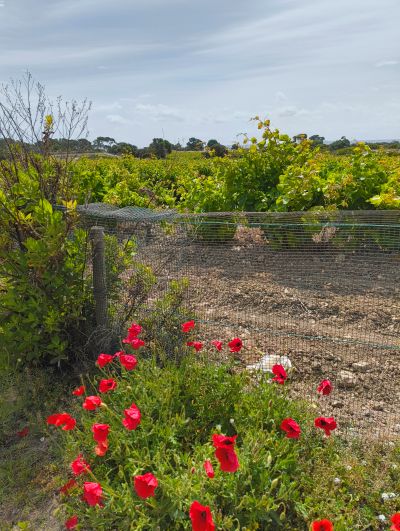
This Enotour wasn’t limited to winery tours. The city of Marsala became the starting point for understanding the connection between wine and culture, through a stroll through the historic center, amid Baroque architecture, ancient wine cellars, and glimpses of the sea.
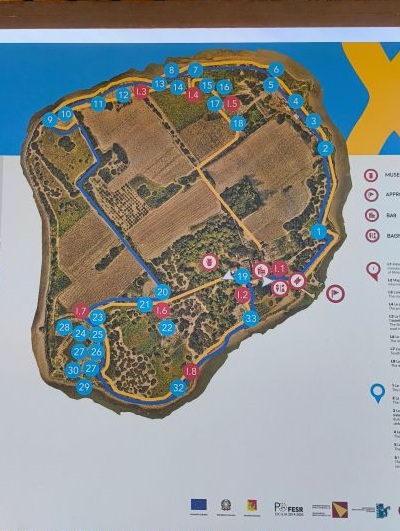
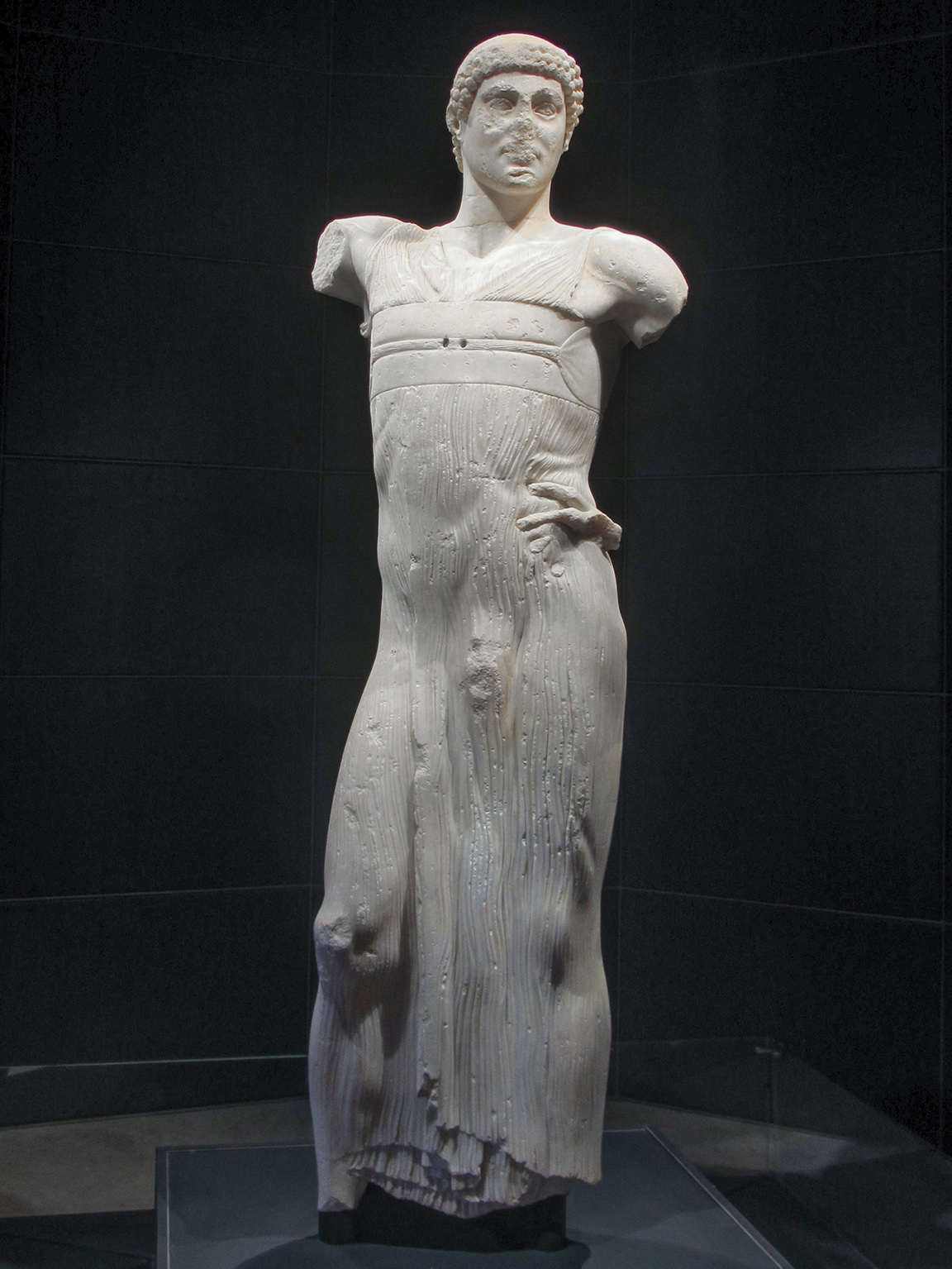
We then continued to the Stagnone Nature Reserve with a visit to the island of Mozia. It was an ancient Phoenician colony accessible by boat across the shallow waters of the lagoon. Amid windmills and salt flats that have defined this unique landscape for centuries. The island’s archaeological museum houses the famous “Youth of Mozia,” a beautiful Greek statue from the 5th century B.C.
Birgi: The Feudo Stagnone Project as a Brand
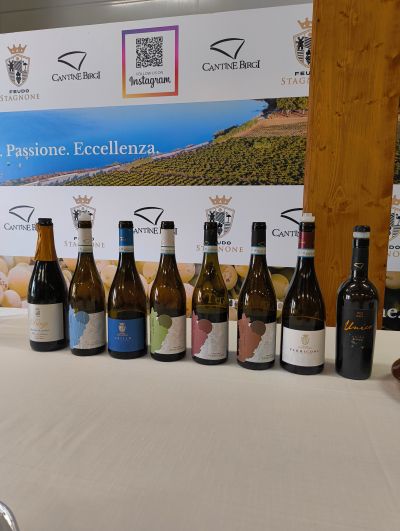
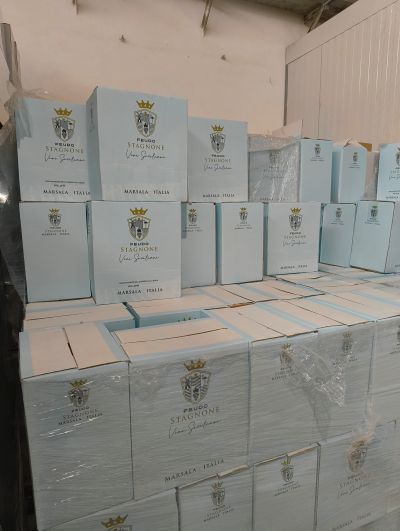
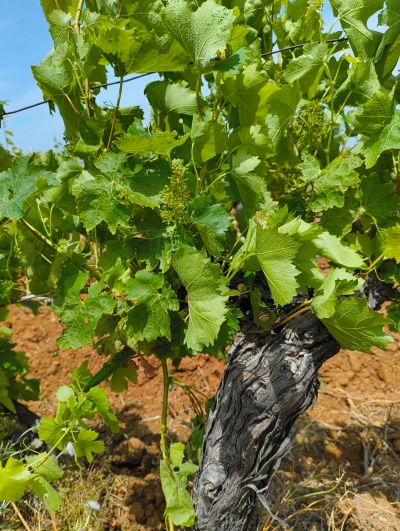
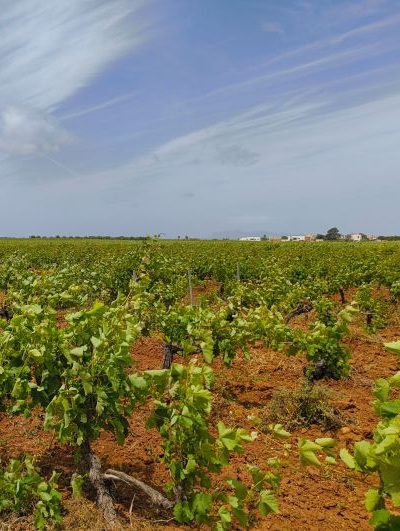
The last stop was Birgi, a very large cooperative farm with 2,800 hectares of vineyards, all located in the province of Trapani. Eighty percent of the vineyards are planted with native varieties, with the remainder consisting of international varieties and a few varieties from other regions. The brand Feudo Stagnone, launched last year, encompasses 700 hectares in the area, 400 of which are productive, planted primarily with white grape varieties, but also with Perricone, Frappato, and Nerello.
This brand seeks to interpret the unique microclimate of the lagoon, which is constantly influenced by the salty wind. Part of this is the Trisole line, which includes—among other items—a Grillo and a Grillo Riserva—the latter with a slight toasty note—and a Zibibbo with distinct varietal character, and an unusual Perricone Riserva from a single vineyard. An attempt to focus production and attention on a region that is making a name for itself thanks to its unique characteristics.
An increasingly mature model of wine tourism
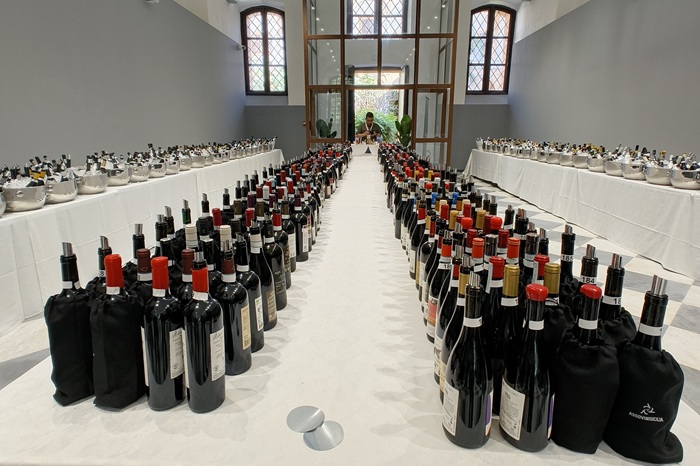
In conclusion, the tour paints a picture of western Sicily where winery visits are seamlessly integrated with the region’s archaeological heritage, coastal landscapes, and gastronomy. A wine tourism experience that treats wine not merely as a product to be tasted, but as the key to understanding a region whose extraordinary diversity is its main attraction.