

Acpi officers renewed with Carcangiu president. At Rome Symposium The Stars of Catering over 120 chefs discuss identity, sustainability, training and the future of fine dining, between tradition to be reinterpreted and new balances between kitchen, dining room and customer.
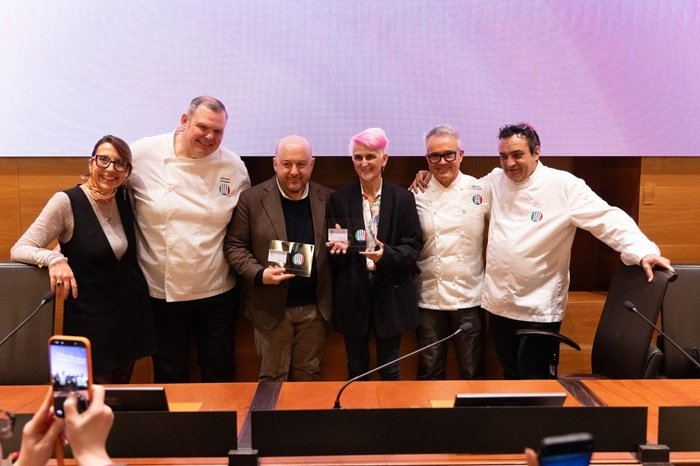
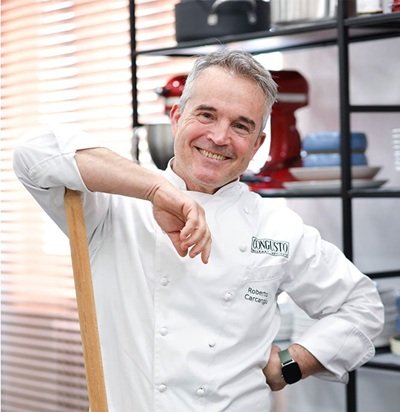
Continuity in leadership, but with an eye to the future. APCI (Associazione Professionale Cuochi Italiani – Professional Association of Italian Chefs) renews its offices for the next four-year term and does so without shaking up: Roberto Carcangiu remains president, flanked by Vincenzo Butticé (deputy vice president) and Antonio Sorrentino (national vice president), while Sonia Re is confirmed as general manager.
The decision came in Rome, March 10, during the annual Le Stelle della Ristorazione Symposium, which brought together more than 120 chefs at FIPE-Confcommercio headquarters. An event that, rather than celebrating, put crucial questions for the profession’s present (and future) on the table.
Being cooks today: between reality and narrative
A shared awareness emerged from the comparison: being a cook still means sacrifice and commitment, but also creativity and relationship. A profession that must be told without filters to the new generations, focusing on training and accompaniment, but also on greater integration between kitchen and dining room, which is increasingly decisive in building a coherent experience.
Identity before tradition

Among the most incisive speeches was that of Alessandro Pipero, who shifted the focus from tradition to identity. A restaurant today must be recognizable, legible, able to tell its story clearly. It is not enough to “be traditional,” one must be authentic.
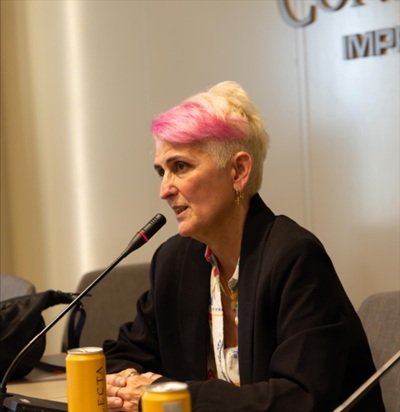
Along the same lines, but with a broader view, Cristina Bowerman spoke about fine dining: not a model of catering in crisis, but in transformation. Haute cuisine is moving away from the technical exercise as an end in itself to become a meaningful experience, in tune with a more conscious public.
Sustainability and (still) few women at the top
Among the unresolved issues are that of the sustainability of work in the kitchen-an issue that can no longer be postponed-and that of female representation in the restaurant industry. Women are increasing in brigades, but they still remain underrepresented in decision-making roles.
Tradition as a living heritage
There is no lack of reflection on gastronomic tradition, understood not as an immobile repertoire but as a cultural heritage to be reinterpreted. Technique, territory and memory thus become tools for an ongoing dialogue between generations.
To close, a lunch dedicated to Roman cuisine that went beyond the convivial moment, turning into a concrete exercise of gastronomic identity. With a clear message: the relationship between chefs and producers is no longer just supply, but shared construction of value.

