


The cost of the ingredients is around 2 euros, but in bars in big cities and tourist destinations, a Spritz can easily cost 8, 10, or even more. How much do rent, staff, and utilities really affect the final price? And when does the bill mainly reflect trends and the value of the location? Stefania Vinciguerra takes us on a journey through the numbers behind Italy’s favorite aperitif.
There was a time when the Spritz was the symbol of the popular aperitif. Born in the Northeast, typically enjoyed standing at the bar, it was the quintessential simple, quick, and inexpensive drink. Today, especially in big cities and tourist destinations, ordering a Spritz can cost as much as a pizza (the kind whose price hasn’t yet risen as much as the dough). From Milan to Rome, via Venice and Florence, the price of a glass is fluctuating more and more often between 8 and 10 euros, with prices even higher at the most exclusive venues.
The inevitable question is always the same: Is it really worth the money?
How much does it cost to make it?
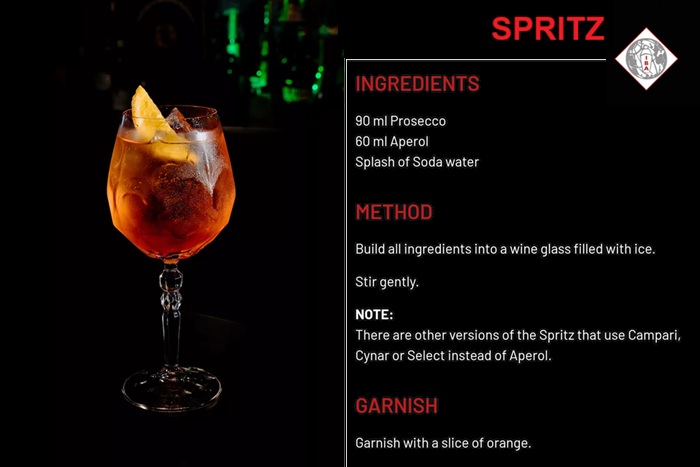
Given the countless variations—both historical and geographical—let’s take the recipe standardized by theIBA—International Bartenders Association, which officially recognized the Spritz in 2011 by including it in the “New Era Drinks”: 9 cl Prosecco, 6 cl Aperol, a splash of soda water, ice, and a slice of orange.
Based on wholesale prices, the cost of ingredients averages between 1.5 and 2 euros per glass. Even when choosing a good-quality Prosecco, it’s rare to exceed this threshold (and often the Prosecco used is of low to medium quality). This is the statistic that has been fueling the controversies on social media every time a receipt goes viral.
But focusing solely on the cost of raw materials means telling only part of the story.
The price isn’t just in the glass
A bar doesn’t just sell a cocktail. It sells a space, service, staff (hopefully qualified), energy, ever-rising rent, taxes, cleaning, outdoor seating, glasses, insurance, and, often, a few appetizers or a small buffet as well.
In the industry, people talk about drink cost, that is, the ratio between the cost of the drink and the final price. To keep a business profitable, the cost of ingredients typically accounts for between 20 and 30 percent of the selling price.
In other words: if the ingredients for a Spritz cost between 1.5 and 2 euros, selling it for 6–8 euros isn’t automatically exploitative. It’s the price point that allows the bar to cover all its expenses and generate a profit margin. It’s those extra euros that make you think.
When the price exceeds the value
The problem arises when the price keeps going up while the contents of the glass remain essentially the same.
In recent years, the Spritz has become a true “premium” product, especially in areas with high tourist traffic. You’re not so much paying for the cocktail as for the place where you drink it: a terrace overlooking the lagoon, a square in the historic center, a rooftop, or the trendiest neighborhood.
So far, nothing surprising—as long as the customer knows what they’re buying.
The Psychological Effect
However, there is also another, less obvious aspect. The Spritz has become part of the collective imagination as a symbol of Italian hospitality. It’s the perfect drink for an aperitif, an after-work break, or a vacation.
For many consumers, it has become almost an automatic gesture, and it is precisely this symbolic power allows prices to be raised without significantly affecting demand. Perhaps the true cost of the Spritz lies in the value we are willing to place on the aperitif as social ritual.
The Risk of Losing Perspective
One question remains. To what extent is the consumer willing to accept price increases that often are many times higher than the actual cost of the product?
No one expects a bar to sell a Spritz at the cost of its ingredients; that would be economically unsustainable. But when a cocktail that started out as a popular drink ends up costing 10 or 12 euros, there’s a risk that the implicit agreement between customer and bar owner—based on perception of a fair price.
The market, of course, will play its part. If the tables continue to fill up, it means that many customers still consider the asking price acceptable. But The line between a reasonable markup and the feeling that you’re paying mostly for the fashion is getting thinner and thinner.