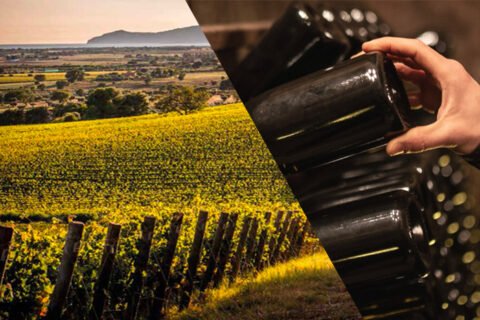

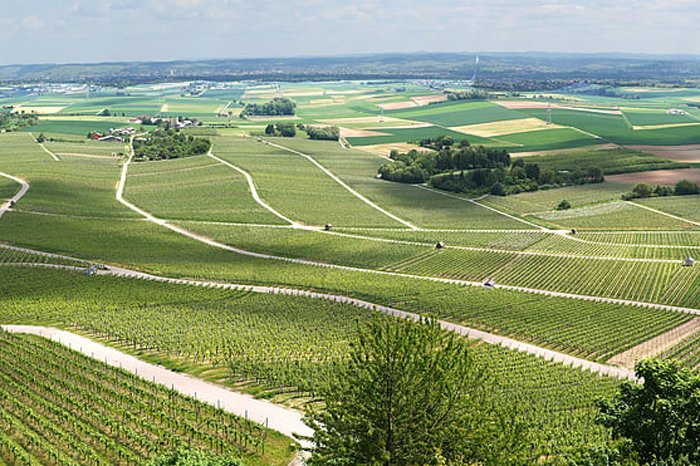
The link between a wine and its origin is the foundation of its identity. The recognizability of a wine comes primarily from its terroir, soils, climate and grape varieties. That is why personal taste can never override the analysis of origin.
Continuing the reasoning made in the last editorial, other considerations came to mind on the topic of the relationship between origin and production process. First of all, it is worth noting how all the great wines, but really all, of the last hundred years at least, have achieved fame and consideration on the basis of their origin.
Origin as the foundation of a wine’s identity
The Grand Crus of Burgundy, those of Bordeaux, the 100% Cru Champagnes, as well as Barolo, Brunello, Chianti Classico, are such because they they derive from specific areas, individual vineyards in some cases, and represent its essence. In short, the origin, the appellations attached to it, are decisive.
Origin meaning place, but also soils, climatic conditions, choice of grape varieties. Then also vineyard training techniques and winery processing, then production processes. Which come later, to support and actually implement what comes from the origin, and are a function of that.
Origin and production process: a hierarchical relationship
The production process-from vineyard management to winemaking techniques-is crucial, but it always comes after. Indeed, it serves to enhance what the origin expresses, not to replace it. Technique is a tool, not the protagonist: its task is to support, implement and respect what the territory already determines.
The role of recognizability: consistency as a value
Those who then taste those products, whether they are passionate consumers, critics, winemakers or sommeliers, will first pay attention to the recognizability of each wine. It means trying to understand whether the organoleptic characters are consistent with those the wine should have according to its origin.
Distinguishing a Romanée-Conti from a Chambertin (I exaggerate, I know) or a Barolo dei Cannubi from a Vigna Rionda comes from the ability to identify the organoleptic traits determined by those places. These are often subtle but decisive differences.
Personal taste has nothing to do with it
This is a fairly complex argument, I realize, but it makes the point that personal taste obviously exists and is legitimate, but it should not override analysis and the ability to define a wine from its origin.
It means that a Primitivo di Manduria must be full-bodied, that a Chianti Classico of Radda must be different from one of Castelnuovo Berardenga, beyond my personal taste, evidently, which will intervene only later. Without claiming that, for example, in the southern part of Montalcino Brunellos are produced that resemble those of Montosoli or Passo del Lume Spento.
Then maybe I will like the latter better, but that is another matter.