


The leadership transition at Assovini Sicilia is not merely a change in the presidency. It demonstrates that generational change, when planned with foresight, can become a tangible asset. It is an example that the Italian wine industry would do well to observe closely.
It may not be true, but we like to think that awarding the group of young people from Assovini Sicilia the special Next Generation award from the Essential Guide 2026 may have brought them good luck. But they certainly paved the way themselves, and credit must also be given to the generation that has led the association in recent years for having laid the groundwork for this moment, making room for young people who are well-prepared, competent, and eager to take on new challenges.
An entire board of directors under 40
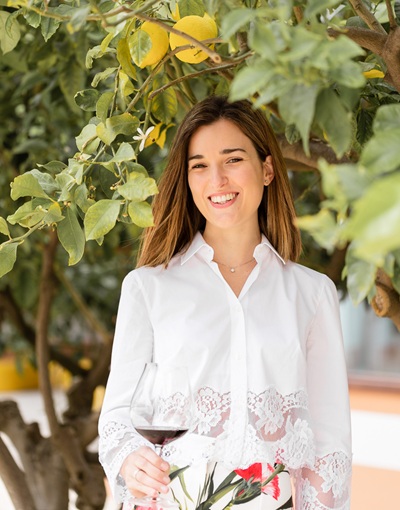
The renewal of the Board of Directors marked the complete handover to the Next Generation, with Gabriella Favara of Donnafugata elected chair. Not yet 30 years old and with an impressive resume, she returned to Sicily after gaining some professional experience to oversee the family business’s international markets.
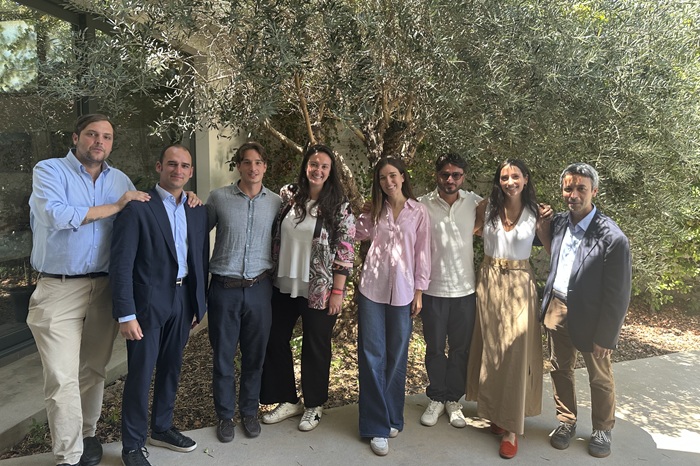
Along with her, a council was elected consisting entirely of people under 40: Pietro Pollara (Prince of Corleone) as vice president, along with Graziano Nicosia (Nicosia Estates); Constant Planeta (Planeta); Alessandro Tasca (Tasca d’Almerita); Cristina Madaudo (Camporè); Enrica Spadafora (On the Princes of Spadafora); Pierfilippo Marchello (Cantine Pellegrino); Totò Navarra (Navarra Estates).
The merit of those who knew how to step aside
But this advice isn’t something pulled out of thin air. A generational shift doesn’t happen on election day—it begins long before that. Mariangela Cambria’s presidency has accompanied the growth of Generazione Next, transforming it from a simple discussion group into a true training ground for the future leadership. Today, this transition seems natural precisely because it was built with patience and without personal agendas.
This approach is anything but a given. In many organizations, people talk about young people, but then they struggle to entrust them with responsibility. Here, however, the transition has been complete, with no half-measures.
A sign for all Italian wine
One concept stands out above all in the new president’s initial statements: changing without abandoning what has been built so far. Listening to the market, being more responsive, seizing opportunities, and innovating while remaining true to the association’s values. An approach that looks toward internationalization, wine tourism, new consumers, and more effective forms of communication, without losing sight of the identity of Sicilian wine.
We’re not talking about a small organization. Assovini Sicilia brings together about one hundred wineries, represents over nine hundred labels, and a significant portion of the value of bottled Sicilian wine. The choices he makes therefore have an impact that extends far beyond the island’s borders.
Showing Trust When the Time Is Right
Italian wine needs well-trained young people, who have studied, gained international experience, and then chosen to return to their home regions. Sicily, once again, seems to have realized that Generational succession is not a favor granted to those following in their parents’ footsteps, but a strategic investment.
It is no coincidence that such a representative organization has decided to place its full trust in those under 40. This decision holds symbolic significance for the entire sector. Because The future of wine isn’t built by waiting for young people to come along, but by giving them responsibility when they prove they’re ready.. Assovini Sicilia did it.
It would be great if many others followed this example.
In the opening photo, the board of directors of Assovini Sicilia. From left: Costante Planeta, Totò Navarra, Alessandro Tasca, Cristina Madaudo, Gabriella Favara, Pietro Pollara, Enrica Spadafora, Graziano Nicosia.

