
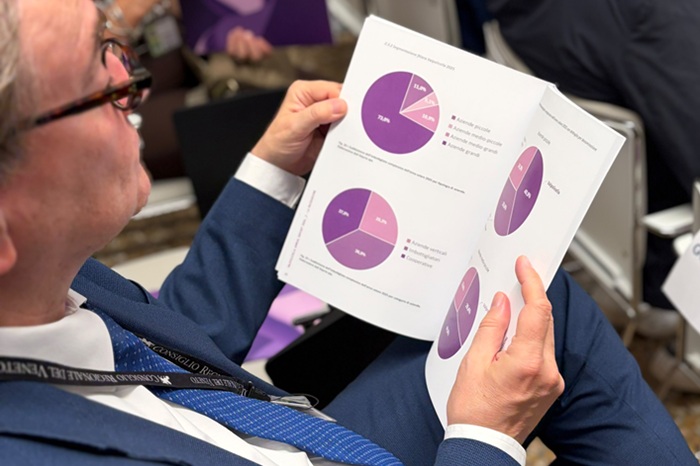
The Valpolicella Annual Report 2026, presented by the Protection Consortium, confirmed the Veneto Region’s support for exploring new markets and wine tourism. Primary focus should be on Valpolicella, the young red wine that serves as the gateway to the region.
For the fourth consecutive year, the Valpolicella Wine Protection Consortium presents its annual report at Palazzo Ferro-Fini in Venice, the seat of the Veneto Regional Council.
The present and future of wine are currently facing challenges, but the Veneto Region stands alongside the Veronese DOC, the standard-bearer for Veneto’s red wines worldwide. This support has been confirmed and strengthened —both in terms of administrative procedures and concrete action—with new proposals and initiatives focused on wine tourism and the exploration of new markets abroad.
The press conference
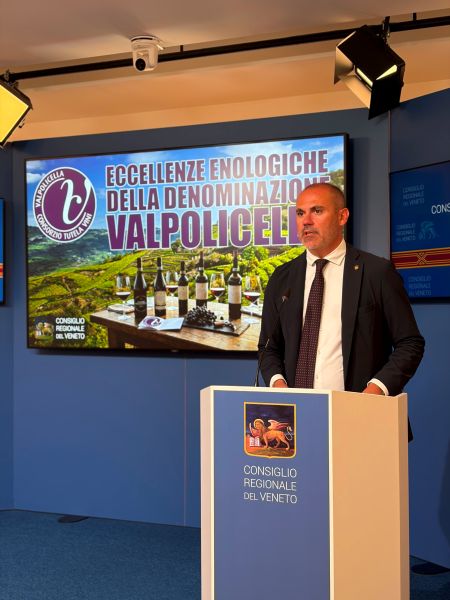
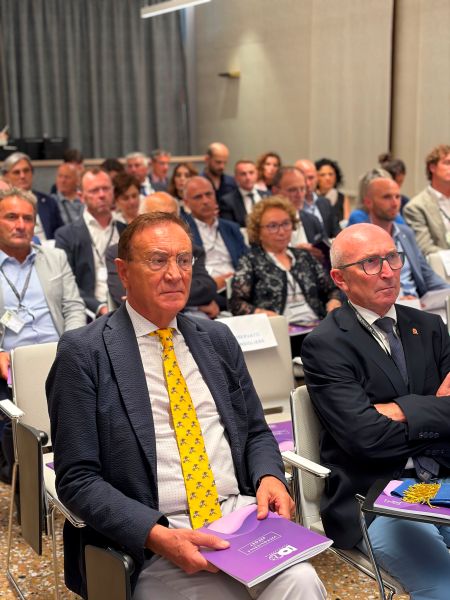
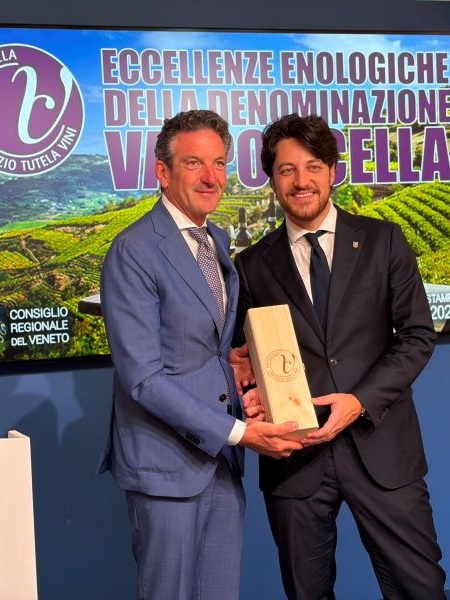
During the press conference, which was pleasantly moderated by Alberto Bozza, a regional councilor, the following speakers took the floor: Cristian Marchesini, president of the appellation; Roberto Zorzi, mayor of Sant’Ambrogio; and Governor Alberto Stefani, appearing alongside the appellation for the first time in his new capacity. In summary, the official press release states:
- Marchesini, president of the Consortium: preserving value, not volume.
- Stefani, president of the Veneto Region: Quality and identity sustain market value.
- Bozza, Veneto Regional Council member: Among the challenges to be overcome is the UNESCO nomination for the retirement of Valpolicella grapes.
The denomination
With just over 8,600 hectares, 11 north-south valleys, 19 municipalities stretching from west to east of Verona (including the city itself), and no fewer than 4 types of wine , we have come to know the appellation well over the years.
Today, bottled wine production stands at nearly 57.5 million bottles, down 3% from 2024. The decline affects all major categories: Amarone and Recioto at 13.58 million bottles (-2.4%), Valpolicella Ripasso at 27.37 million (-3.7%), and Valpolicella at 16.50 million (-2.7%), thus confirming a phase of normalization of volumes.
Numbers are negative, but in line with or even above the national average. This provides an added incentive to explore new markets, with the support of institutions, and to consolidate the presence of wine tourists in the region through investments in hospitality and winery experiences. Awareness comes first; armed with this, we can look to and build the future.
The event
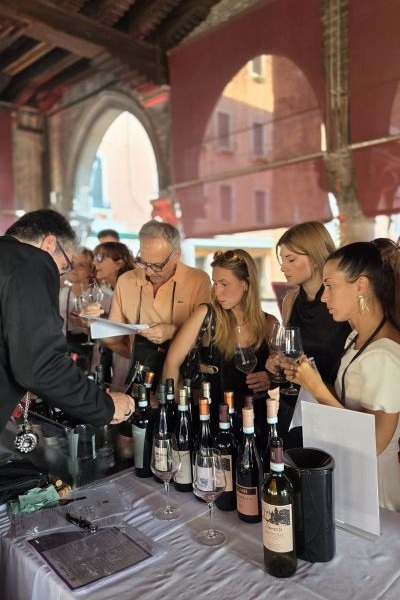
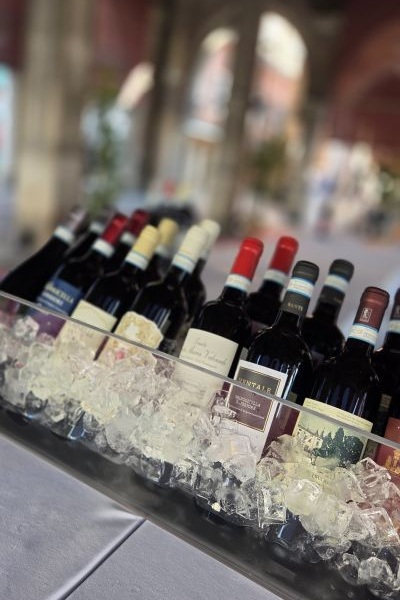
Once again, the Rialto Fish Market Loggia serves as the venue for Venezia Superiore, dedicated to Valpolicella and Valpolicella Superiore, served chilled and paired with traditional Venetian cicchetti. Fish and red wine, music and the golden hour, gondolas and gondoliers—the unmistakable sounds and scents of Venice that make you inevitably fall in love with it and etch it into your memory like no other city in the world.
One of a kind, the best way to appreciate it is with a glass of wine in hand. The many attendees—of all nationalities and age groups—who sell out this event every year know this well.
Valpolicella: A blend of terroir and style
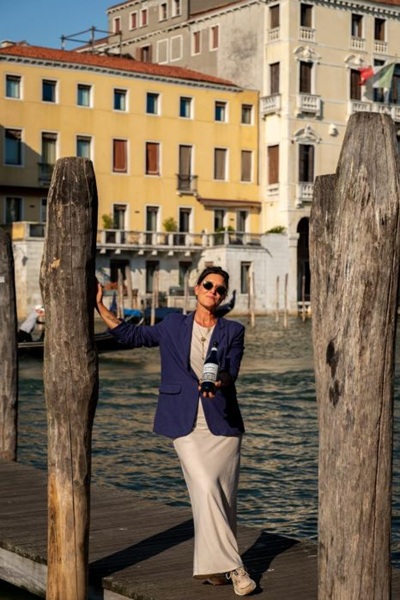
Valpolicella is the undisputed star and the wine to focus on when it comes to Veronese reds. The region has taken on a real challenge: to reintroduce Valpolicella to consumers—no small feat, given the great fame that Amarone, quite rightly, enjoys. Let’s remember, however, that the full name of this wine is Amarone della Valpolicella, so the region comes first.
Let’s start there, with the first wine produced each year in the winery. Made from fresh grapes, it is a DOC wine that also bears the Classica and Valpantena subzones. A fresh and vibrant vintage wine, intended for everyday enjoyment and, as a result, versatile by definition.
Valpolicella Superiore
Become Superiore—an additional designation—when it has aged for at least one year starting in January of the year following the harvest and meets the minimum alcohol content and extract requirements set forth in the regulations. In effect, it is a different wine from Valpolicella DOC. Its style today remains a question mark, It’s made from fresh grapes, but not exclusively. May come from a single vineyard, but not necessarily. Aging in the cellar may take place exclusively in stainless steel, concrete, or wood—or even in terracotta. In short, identifying a defining style for Valpolicella Superiore will be the real challenge in the coming years.
What I can say is that, with a few more or less predictable exceptions, the ideal alcohol content seems to range between 13 and 13.5% vol. Aging in wood is never overpowering, and is sometimes combined with other types of containers. If the grapes are dried at all, it’s never excessive—just a few weeks to allow them to dry out slightly. The profile remains fruity and floral, with a distinct olfactory and aromatic intensity that is savory and persistent, thanks to the natural structure provided by the naturally gentle yet present tannins of the grape varieties used.
Among my best tastings: a mix of wines from different regions, vintages, and wineries
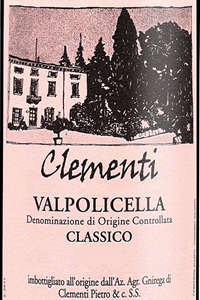 Valpolicella Classico 2025 Clementi
 Rating: 91/100
Estimated price: €15.00
65% Corvina and Corvinone, 30% Rondinella, 5% Molinara. Stainless steel.
A transparent, brilliant ruby color with pink highlights. The nose features fresh notes of red fruit, predominantly cherry, but also hints of peach and apricot. Fresh and sweet floral notes; on the palate, it is refreshing, savory, and persistent, with a balanced structure that makes it very easy to drink.
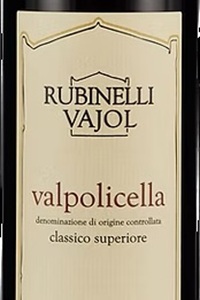 Valpolicella Classico Superiore 2023 Rubinelli Vajol
Score: 91/100
Estimated price: €19.00
50% Corvina, 25% Corvinone, 15% Rondinella, 5% Molinara, 5% Oseleta. Aged for 12 months in barrels.
A pale, transparent ruby red. Sweet, toasty notes on the nose. The palate is similar, with undertones of crisp cherry and moderate body. Pleasant notes of cinnamon on the finish.
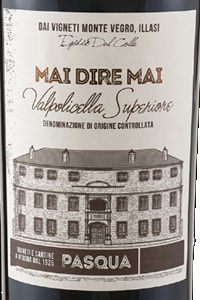 Valpolicella Superiore Mai Dire Mai 2018 Pasqua
Score: 92/100
Estimated price: €32.00
50% Corvina, 30% Corvinone, 10% Rondinella, 10% Oseleta. Aged 18 months in barriques.
Deep ruby red color. Notes of cloves, licorice, and mint. A taut palate with red citrus. Balsamic and woody. Dense and concentrated tannins.
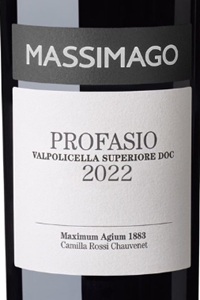 Valpolicella Superiore Profasio 2022 Massimago
Score: 92/100
Estimated price: €27.00
Corvina, Corvinone, Rondinella. Aged for 18 months in 20-hl barrels.
Ruby red with a pale rim. An intense, full-bodied nose with notes of overripe red fruit. Hints of toast and chocolate. The palate is taut and balsamic, very full-bodied and smooth. Some mature hints of leather.
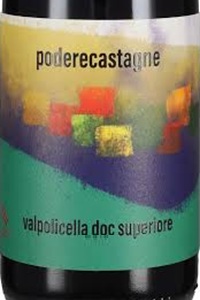 Valpolicella Superiore Podere Castagne 2021 Marinella Camerani
Score: 92/100
Estimated price: €30.00
50% Corvinone, 30% Rondinella, 20% Corvina. Aged for a year and a half in oak.
Deep ruby red. It offers extremely elegant notes of creamy yellow fruit and spicy notes. The palate is taut and salty. The finish features elegant, well-integrated tannins.
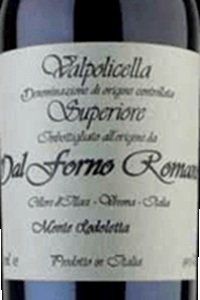 Valpolicella Superiore Monte Lodoletta 2020 Romano dal Forno
 Score: 97/100
Approximate price: €100.00
70% Corvina and Corvinone, 25% Croatina and Oseleta, 5% Rondinella, dried on the vine. Aged 24 months in barrique.
Intense ruby red with plum-colored highlights. The nose impresses with its concentration and clarity of aromas: black cherry, blueberry jam, and plums. On the palate, it is elegant with notes of pure licorice, blood orange, and chinotto. The finish is intense, spicy, and persistent.