
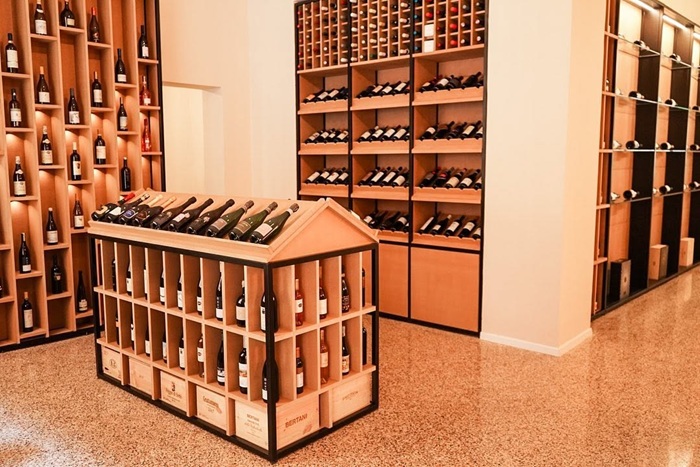
In Rome’s Prati neighborhood, a small wine shop has developed a business model that goes beyond simply selling bottles. Tastings, classes, trips, and a community of wine enthusiasts show how, even during a difficult time for the industry, innovation and expertise can make a difference.
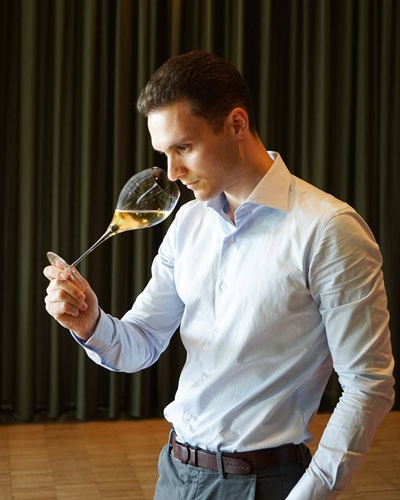
Alessandro Pigliucci He chose three words—one in Italian, one in English, and one in French—to name his small wine shop. We are in Rome, in the Prati neighborhood, at 66 Via Giovanni Pierluigi da Palestrina. I almost stumbled right into it when I moved and ended up living right across the street.
I’ve discovered a whole new world. It’s not your typical wine shop, but something more like a wine club. They sell bottles, of course, and you can have a glass of wine—chosen by Alessandro—but there’s no food, or almost none.
More than just a wine shop
His work is diverse and varied. He organizes everything on his own Introductory Mini-Courses on Wine, including personalized ones and even in English, which he speaks very well. After all, he worked for years as a sommelier at Michelin-starred restaurants in Veneto before returning to Rome a few years ago to open his own restaurant. Then, from time to time, there are wine tastings featuring high-quality wines for no more than twenty people.
Three or four times a year, it organizes events for small groups of enthusiastic customers, trips to Italian and European wine regions, during which he also serves as the driver of the minibus he rents to comfortably tour the wineries.
In addition, from time to time, individual producers come there to invite Roman customers to taste their wines. In some cases, paying members of the public are allowed to attend.
A place where wine brings people together
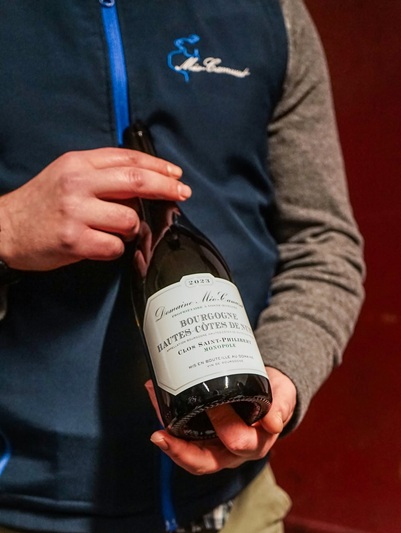 All of this has ended up attracting a good group of enthusiastic customers, and word of mouth is bringing in people from all over Rome and beyond. The clientele is diverse and international.
I go there every now and then, and this little wine shop has joined the list of places I’ve been frequenting for years in Rome: Il Goccetto, La Ciambella, Checchino, Da Roberto, and Loretta. Now there’s also Enoteca Cellar Sommelier, which serves partly as a storage space for the bottles in my personal wine cellar.
Would you believe that I organize occasional tastings with some of my loyal customers under the tongue-in-cheek title “I’m Drinking the Cellar,” with friends Of course, there can’t be more than about ten at a time, otherwise the wine cellar won’t last long. But that’s just me, and it’s not really important to my readers.
A formula that looks to the future
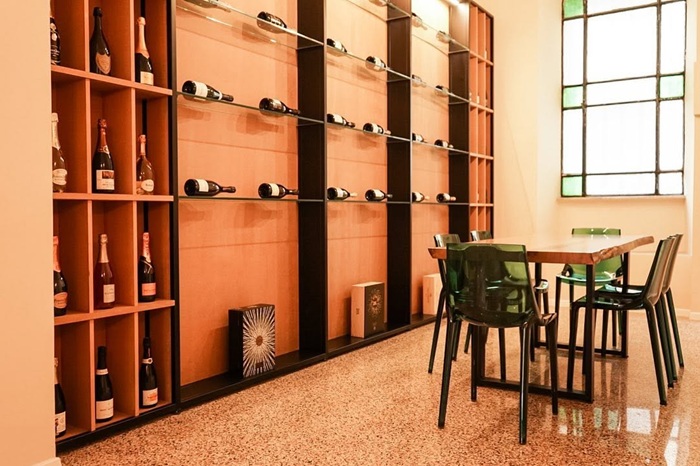
What may be important, however, is something else.
At a time when the wine industry is in crisis, this approach, in my opinion, could be beneficial. It is not the only example of differentiated activities, that is, a wine shop that does more than just sell bottles and serve wine by the glass. However, even though it won’t solve all the problems, it’s an approach worth exploring further.
Of course, you have to be as skilled and resourceful as Alessandro, a true Cellar Sommelier.

