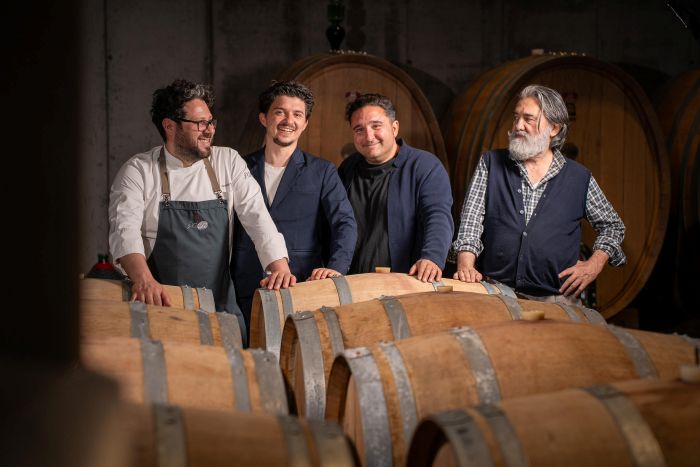

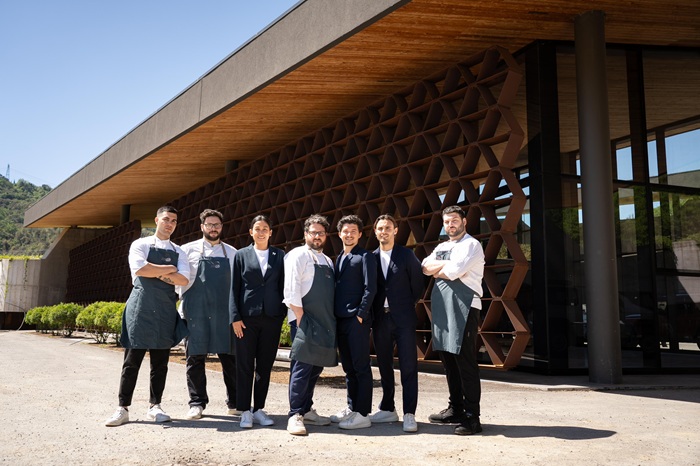
Niccolò Palumbo’s Michelin-starred restaurant is leaving downtown Prato and moving to Carmignano. Starting in September, it will be part of a project that includes a winery, seven suites, and events. This shift in scale reflects the evolution of wineries toward integrated forms of hospitality.
The Paca restaurant is changing its address and, more importantly, its setting. The restaurant, led by Niccolò Palumbo has closed its location on Via Fra’ Bartolomeo in Prato and will reopen in September at Tenuta Ceri, in the hills of Carmignano.
This isn’t just about moving a dining room and a kitchen. Paca will become the culinary hub of a winery that is expanding its operations into hospitality, following a model now widespread in the Tuscan countryside. Wine production, dining, and lodging all combined into a single destination.
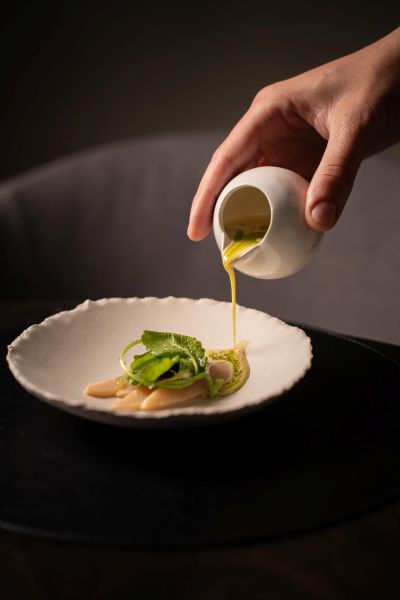
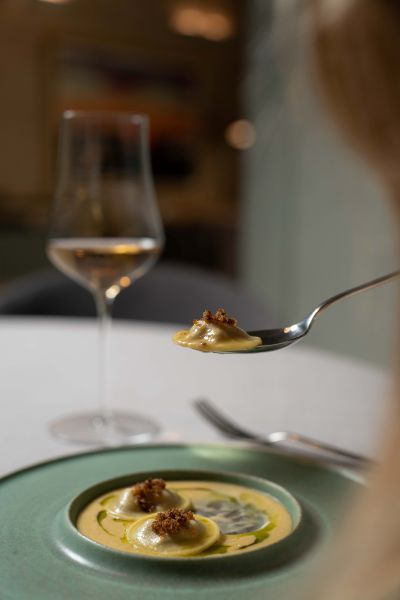
Michelin Guide currently lists the restaurant as “closed due to relocation.” At its former location, it was known for contemporary Italian cuisine that emphasized high-quality ingredients, small-scale producers, and local produce.
The Evolution of Cuisine
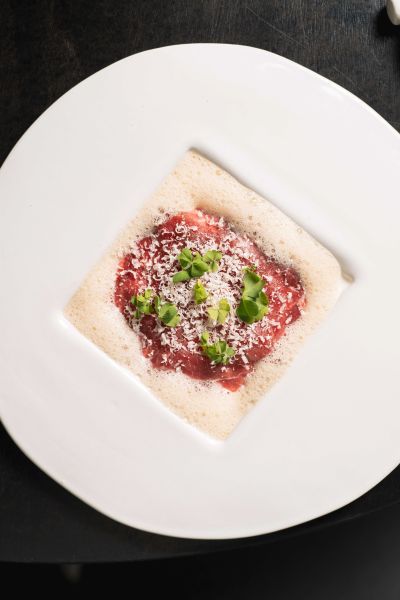
Opened in 2019, Paca has been, to date, the only Michelin-starred restaurant in the province of Prato. Reopening in Carmignano will put this accolade to the test: the Michelin star, in fact, is awarded to the restaurant and subject to the guide’s verification, especially when the location, space, and organization change.
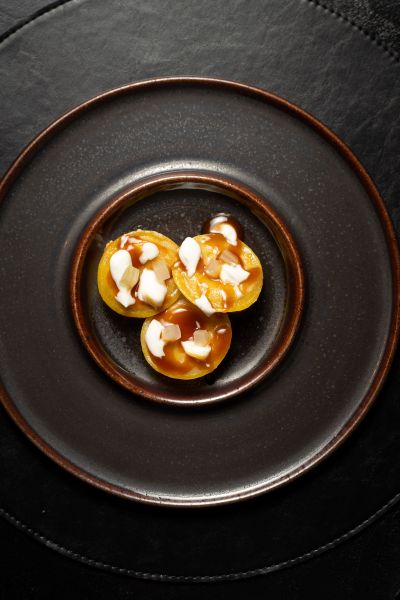
For Palumbo, the move from the city to the estate also marks an evolution in his cuisine. While the menu initially focused primarily on seafood, in recent years the chef has expanded his culinary exploration to the countryside. Vegetables, farmyard animals, game, and local suppliers. Techniques such as fermentation, curing, stock-making, and the holistic processing of ingredients remain central.
In Carmignano, the chef won’t be focusing solely on fine dining. He’ll also oversee breakfasts, in-suite dining for suite guests, and banqueting for events. This broader scope offers an interesting experience but is also more complex than managing a standalone restaurant: he’ll have to coordinate different clientele, schedules, and service levels.
Seven suites in the farmhouse
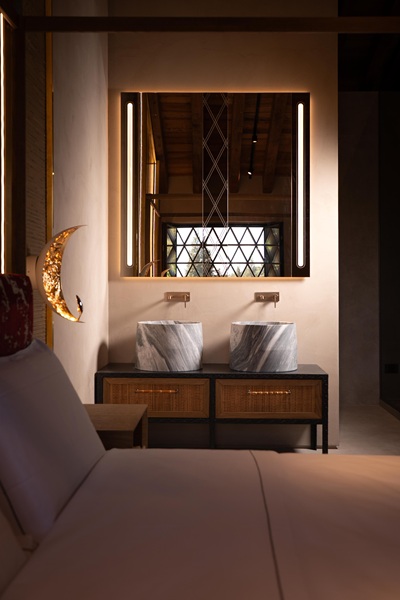
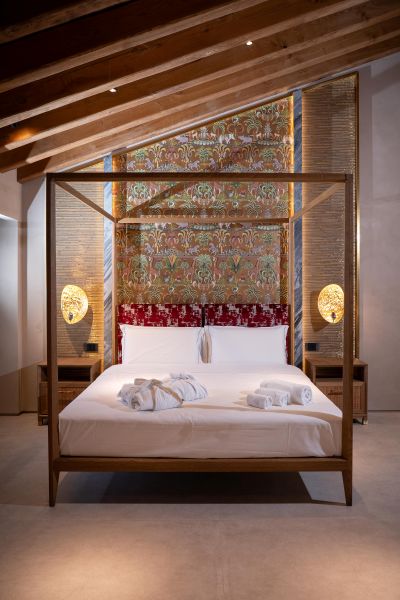
Guesthouse will be housed in a mid-18th-century farmhouse, restored while preserving its original volumes and ceiling heights. Announced project calls for seven suites, featuring natural lime plaster, pozzolana, wooden floors, reclaimed materials, and Corten steel window frames.
The restaurant, on the other hand, will be housed in a new contemporary building, designed as an extension of the rural structure without imitating its appearance. The façade will incorporate the Tuscan “mandolato”—the traditional openwork masonry of barns—combined with Corten steel. Interiors will feature monochromatic resin and marmorino-finished walls.
At the moment, the guest rooms and restaurant are still under construction. Rates, menus, seating capacity, reservation procedures, and the exact opening date have not yet been announced.
A 40-hectare estate
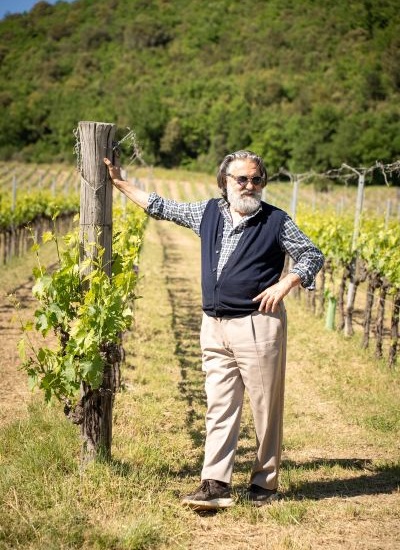
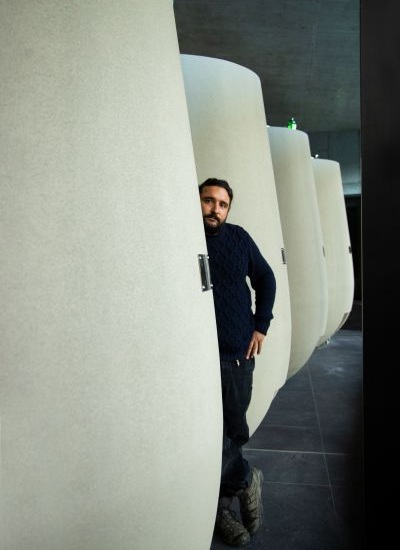
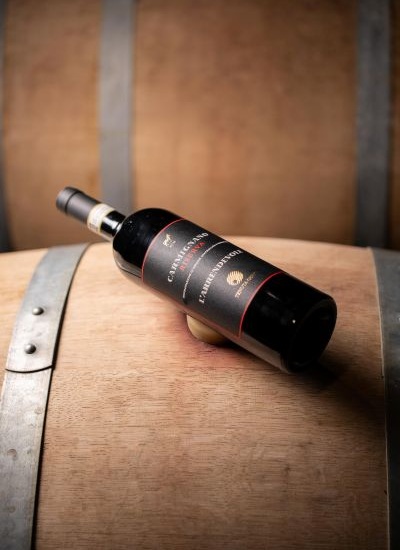
Founded in 2006 by architect Luca Ceri and now led by his son Edoardo, Tenuta Ceri covers approximately 40 hectares: 15 are planted with vineyards, six are olive groves, while the rest consists of woodlands and orchards.
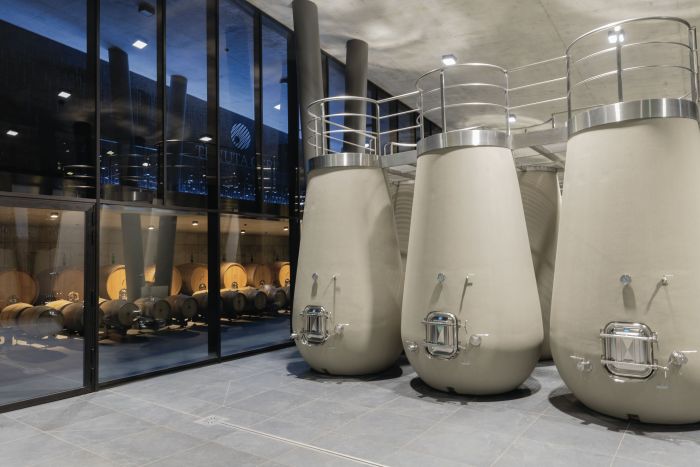
Transition from selling grapes to producing wine in-house required the construction of a new winery, completed in 2021 and built into the hillside. The facility measures nearly 1,000 square meters, with production areas in the basement and spaces for storage, display, and sales on the ground floor.
The vineyards are planted with Sangiovese and Cabernet, which are used primarily to produce Carmignano, as well as Carmignano Riserva, Barco Reale di Carmignano, and Toscana Rosso.
Carmignano, a small and ancient region
The move brings Paca to one of the smallest and most historically distinctive wine regions in Tuscany. In 1716, Grand Duke Cosimo III de’ Medici included Carmignano among the four wine-growing regions delineated by the famous grand ducal decree. The appellation then obtained its own DOC status in 1975 and DOCG status in 1990, effective as of the 1988 harvest.
The presence of Cabernet—locally known in the past as “Uva Francesca”—has distinguished these wines for centuries from other Tuscan wines based on Sangiovese. Consortium traces its cultivation on the hills of Carmignano back to the 16th century.
This is productive landscape—and not just a generic rural backdrop—that the new Paca must succeed in translating into its cuisine and hospitality. The challenge will be to ensure that the vineyard, restaurant, and guest rooms do not remain merely separate services. If this integration succeeds, Tenuta Ceri could become a destination where guests can stay to truly experience the region, as well as to dine and sleep among the vineyards.