
From long-established families to new businesses, Cilento’s wine industry is undergoing a revival along the coast and in the inland regions. Aglianico and Fiano remain the stars, complemented by local varieties and diverse interpretations of the terroir. This journey—which weaves together the restoration of vineyards, oenological research, and hospitality—is also told through nine wines.
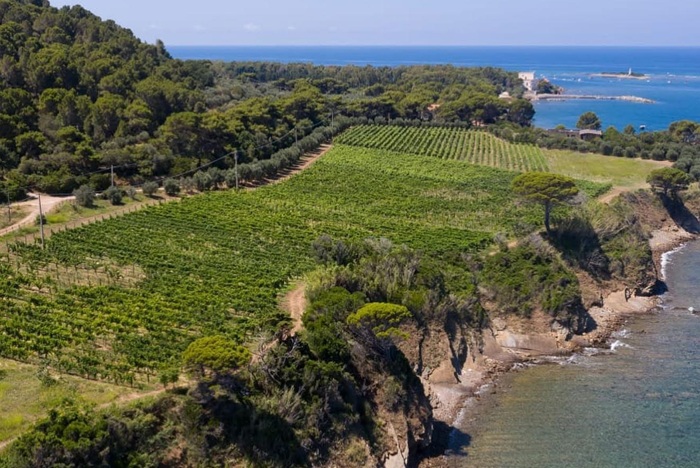
The Cilento region, between Paestum and the Gulf of Policastro, is home to a fragmented wine-growing industry, with vineyards interspersed with olive trees, fig trees, and Mediterranean scrub. Here, rural traditions coexist with small-scale production for local consumption and the efforts of wineries that have invested in the quality and distinctiveness of their wines.
Rather than two separate worlds, these are chapters of the same story: the transition from predominantly family-run agriculture to a viticulture capable of reaching beyond the region’s borders.
Long-standing families and renewal
Among the families that have kept this tradition alive are the Rotolo family of Rutino: the first vineyard was planted in 1938 by the family’s founder, Alfonso. Subsequent generations have driven the winery’s evolution, from selling bulk wine to a production model based on modern winemaking and business expertise.
In the 1990s, the De Conciliis Winemakers contributed to the revitalization of the Cilento wine scene by focusing on the potential of local grapes. Luigi Luigi Maffinhelped raise the profile of the region’s wines, demonstrating that Cilento could hold its own in a market increasingly focused on quality.
In addition to these experiences, there was San Salvatore 1988, whose agricultural project took shape in 2004 with a focus on organic farming and the protection of biodiversity. Different stories, united by the decision to invest in Cilento viticulture.
An Agricultural History Worth Revisiting
The Cilento region’s relationship with the grapevine is part of the Mediterranean history of trade and agricultural knowledge. In rural communities, however, wine has been above all a part of daily life: the wine cellars, called “vottari,” and the vineyards intermingled with other crops tell the story of an agricultural tradition rooted in the needs of local families.
Varieties, soil types, and winemaking practices varied from one town to another. Reviving old vineyards and studying traditional grape varieties therefore means gaining a deeper understanding of this heritage and recognizing the contribution it can make to contemporary winemaking.
Cilento Wine and Its Identity
Alongside family-run businesses, new companies are emerging that are restoring vineyards or establishing new ones, thanks in part to investments from producers in other parts of Campania. The sea, elevation, sun exposure, and soil types offer diverse growing conditions: rather than a single oenological style, the Cilento region produces a wide variety of wines, each reflecting the characteristics of its specific terroir.
Aglianico and Fiano: From the Coast to the Hinterland
Aglianico and Fiano play a central role in the Cilento vineyards. Alongside them, other varieties are grown, including Piedirosso, Barbera, Greco, Falanghina, and Malvasia Bianca, as well as some international varieties. Of particular interest are the lesser-known local varieties, some of which have been the focus of initiatives aimed at their recovery and promotion. These less common grapes represent a resource for diversifying production and strengthening the connection between the wines and the region from which they originate.
Diversity isn’t limited to grapes alone. As mentioned, looking for a single model to represent the entire Cilento region would be too simplistic.
A common point of reference is the Cilento DOC, recognized in 1989, which includes red, rosé, white, Fiano, and Aglianico wines. Its production area does not cover the entire geographical territory of Cilento; wines with geographical indications also contribute to its diversity.
Vineyards to rediscover and wineries to visit
Renewal is intertwined with the future of rural areas, which have been marked by emigration and the abandonment of some agricultural activities. Restoring a vineyard can mean bringing neglected land back into production and ensuring the continuity of a family tradition. This context is shaped by young entrepreneurs and new investments, along with a greater focus on the management of natural resources.
Wine tourism also offers an opportunity: winery tours, tastings, and walks through the vineyards can complement visits to the beach, villages, and archaeological sites. Wine thus becomes a way to explore the agricultural landscape, along with the local cuisine and extra virgin olive oil.
It is through these concrete aspects— vineyard management, wine quality, and hospitality —that Cilento can solidify its presence in Campania’s wine scene.
Nine Wines to Discover, in Tasting Order
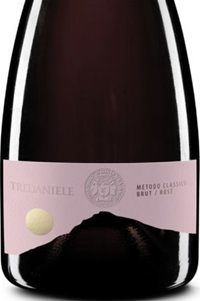 Tredaniele 2020 Classic Method Brut Rosé Sparkling Wine
Score: 91/100
Average price: € 45,00
100% Pinot Noir. Classic method, 12 months on the lees.
Powdery pink, with a dense effervescence. Rich aromas of small black berries, citron, and bergamot. The palate is creamy, fresh, and briny, with a long, fruity finish.
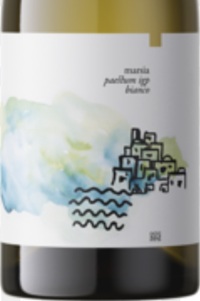 Cilento Fiano Vignolella 2025, Cantine Barone
Score: 91/100
Average price: €11.00
100% Fiano. Stainless steel.
A pale straw yellow color. Aromas of aromatic herbs and yellow fruit. The palate is fresh, light, and citrusy, with a lingering finish.
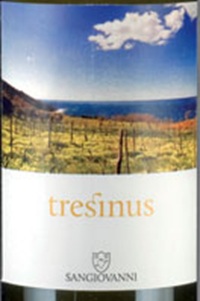 Paestum Bianco Tresinus 2025, San Giovanni Farm
Score: 92/100
Average price: € 23,00
100% Fiano. Stainless steel.
Straw-yellow in color. Aromas of apricot, fig, and broom. On the palate, it is fresh and well-structured, with pronounced savory notes and good balance. The aromatic notes are consistent on the palate, creating excellent harmony between the nose and the palate.
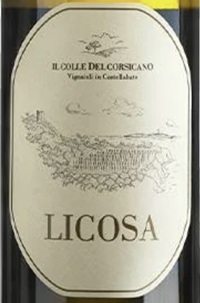 Cilento Fiano Licosa 2024 Il Colle del Corsicano
Score: 92/100
Average price: €22
100% Fiano, made from grapes grown in Punta Licosa. Stainless steel.
Straw-yellow. Aromas of white flowers, peach, and melon. The palate is crisp and fresh, with a lingering finish reminiscent of the Mediterranean scrub.
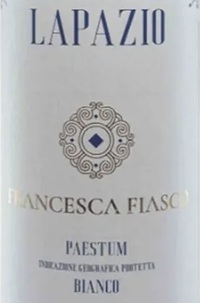 Paestum Bianco Lapazio 2024 by Francesca Fiasco
Score: 93/100
Average price: €35.00
40% Falanghina, 40% Fiano, 10% Coda di Volpe, 10% other native varieties. 50% aged in French oak tonneaux.
Golden yellow. Aromas of ripe yellow fruit and Mediterranean scrub. The palate is full-bodied, crisp, and persistent.
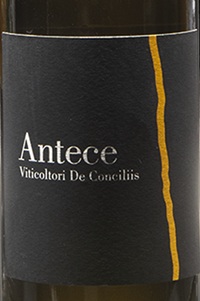 Paestum Fiano Antece 2022, De Conciliis Winemakers
Score: 92/100
Average price: € 25,00
100% Fiano. Macerated in amphorae for about 6 months.
An intense golden yellow with subtle amber hues. The dominant aromas evoke the Mediterranean scrub, damp earth, and citrus peel. On the palate, it is full-bodied, fresh, and briny, with good length. An very expressive .
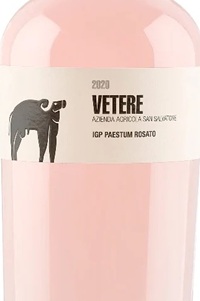 Paestum Rosato Vetere 2025 San Salvatore
Score: 95/100
Average price: €15.00 QP
100% Aglianico. Stainless steel.
Light pink. The nose is fragrant, fruity, and very crisp, with notes of currant, pink grapefruit, and pomegranate. On the palate, it is taut, lively, and fresh, with delightful drinkability. Refined and with good length.
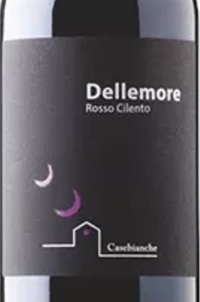 Cilento Rosso Dellemore 2022 Casebianche
 Score: 93/100
Average price: € 18,00
65% Aglianico, 20% Barbera from a vineyard over fifty years old, 15% Piedirosso. Aged 12–18 months in French oak barriques.
Garnet red. The nose reveals notes of red fruit, Mediterranean scrub, and smoky undertones. The palate is full-bodied and briny, with soft tannins and a long finish.
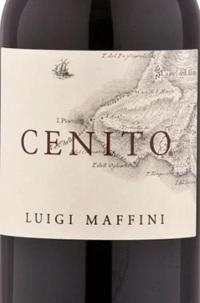 Cilento Aglianico Cenito 2022 Luigi Maffini
Score: 93/100
Average price: €37.00
100% Aglianico. Aged in oak barriques for 12 months.
Intense ruby red. A spectrum of aromas including black fruit, currants, spices, and tobacco. The palate is full-bodied, dense, and enveloping, with tannins that are beginning to soften. Fresh and persistent.