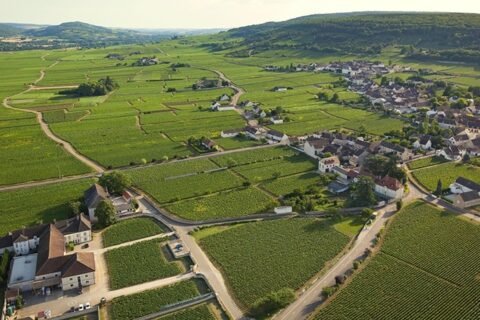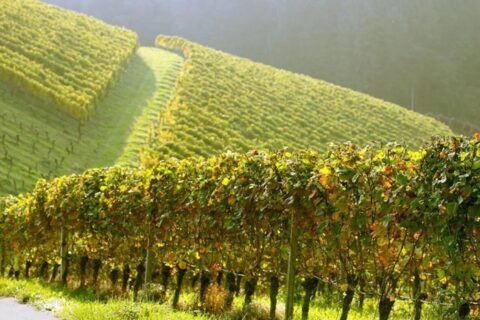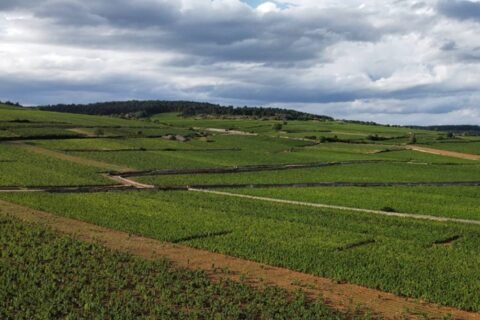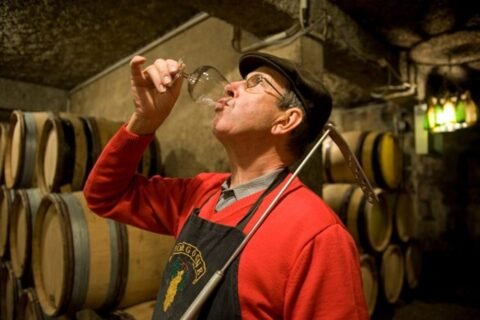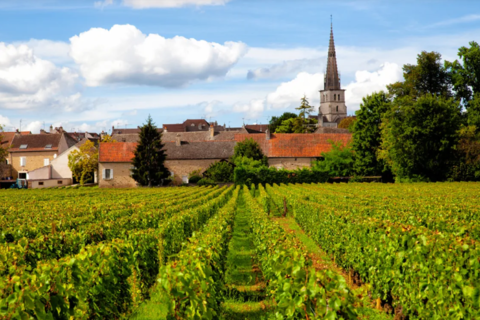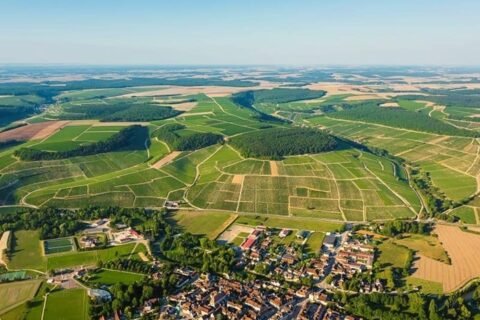

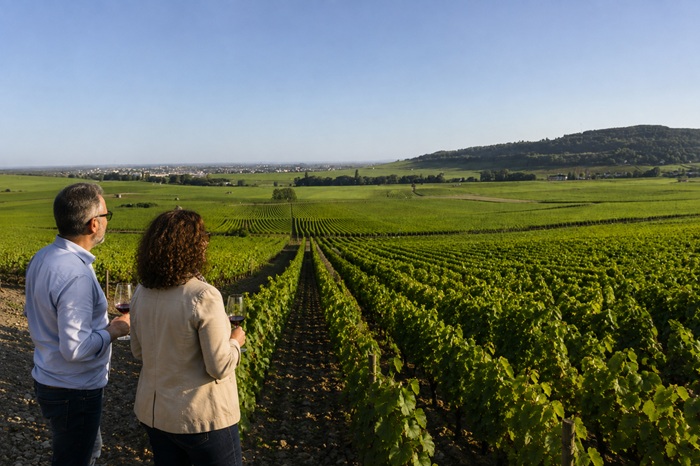

Best known for some of the world’s greatest Chardonnays, the Côte de Beaune is also home to Pinot Noirs with strong personalities, varying in structure and character depending on the cru and the vignerons’ interpretations. Vinogodi’s journey through the wines of Burgundy continues.
Not Just Great White Wines
When it comes to the Côte de Beaune , one cannot overlook the presence of some of the world’s greatest white wines. Yet the Pinot Noir has an equally deep-rooted history here and takes on very different expressions, shaped by the extraordinary diversity of soils, exposures, and, not least, the interpretation of individual vignerons. The result is reds that can be refined and graceful or more powerful and full-bodied, without losing the typical Burgundian tension, though they do not quite reach the complexity and depth of the jewels of the Côte de Nuits.
Appellations for red wines
The appellations best suited for red wines from the Côte de Beaune are:
- Savigny-lès-Beaune: 22 Premier Cru vineyards, covering approximately 142 hectares
- Beaune: 42 Premier Cru, covering approximately 311 hectares
- Pommard: 27 Premier Cru, covering approximately 125 hectares
- Volnay: 28 Premier Cru, covering approximately 114 hectares
- Monthélie: 15 Premier Cru vineyards, highly fragmented, covering just over 30 hectares
- Aloxe-Corton: approximately 160 hectares of Grand Cru, at the heart of the Corton hill. Corton is the largest Grand Cru in Burgundy, which is in turn divided into numerous climats, many of which may appear on the label alongside the name of the appellation.

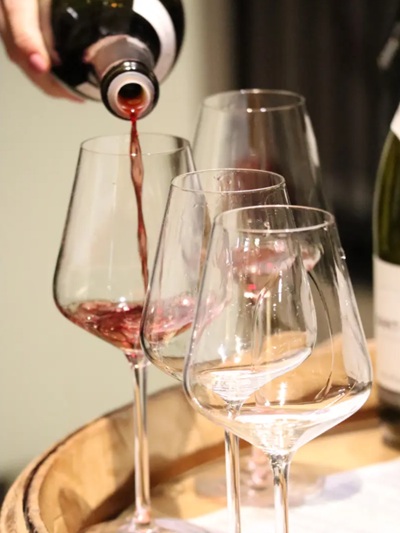
What is slightly disconcerting for the enthusiast is the incredible fragmentation of all these appellations, which, in some cases, cover areas as small as fractions of a hectare and produce minimal quantities of bottles. All of this also leads to extreme variability in the characteristics of the wines themselves, due as much to the vignerons’ interpretations as to geological and climatic differences.
Leaving aside for now the complexity of Corton and the splendid, sensorially quite distinct personalities of Volnay and Pommard, here are some surprising examples of red wines from the Côte de Beaune.
Five red wines from the Côte de Beaune
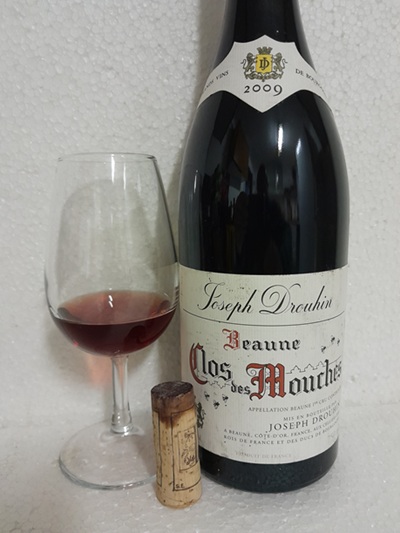
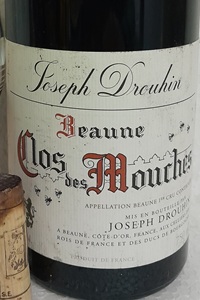 Beaune 1er Cru Clos des Mouches 2009 Joseph Drouhin
Score: 93/100
Average price: €160
100% Pinot Noir. Aged for 14–18 months in French oak barrels, about 25% of which are new.
It still has a vibrant, though pale, red color, with just a few garnet hues. Aromas are of truffle and pomegranate jam, with a slight hint of anise. On the palate, it is elegant, almost sharp, and exceptionally fresh.
The name comes from the area that was once set aside for beehives: “mouches à miel” was the name once used to refer to bees, thanks in part to the area’s particularly favorable location.
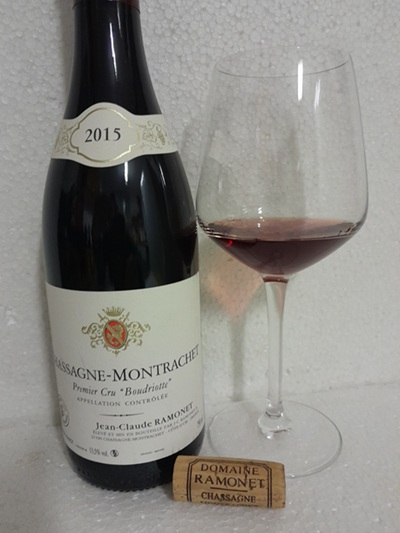
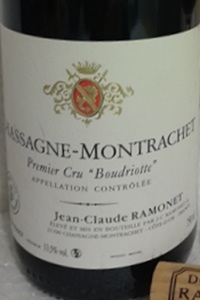 Chassagne-Montrachet 1er Cru Boudriotte 2015, Domaine Ramonet
 Score: 95/100
Average price: €165
100% Pinot Noir. 12–15 months on the lees in oak barrels, about one-third of which are new.
Color is pale but bright red. The aromas burst forth with notes of raspberry jelly, macerated violets, and delicate spices. On the palate, it is already velvety, caressing, and precise, leaving a lasting impression after swallowing. Refined.
Here we are in the artistic winemaker’s home turf.
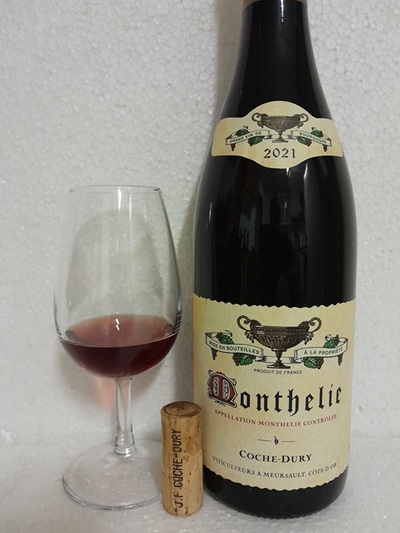
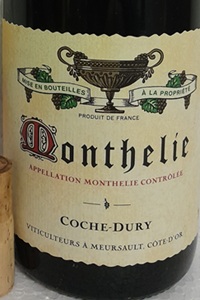 Monthélie 2021 Domaine Coche-Dury
Score: 94/100
Average price: €270
100% Pinot Noir. Barrique; a significant proportion of new oak, in accordance with the stated practices for this cuvée.
A vivid red, with good intensity for a Pinot Noir. The aromas feature fresh red forest fruits—especially raspberries and red currants—with a balsamic note that adds a touch of elegance to the bouquet. It displays purity on the palate, with its seemingly simple freshness, and is extremely easy to drink.
The same observation applies to Ramonet: a red wine that’s surprising in its precision and drinkability.
 Beaune 1er Cru Les Grèves Vigne de l’Enfant Jésus 2015 Bouchard Père & Fils
Score: 96/100
Average price: €230
100% Pinot Noir. Aged for 12–14 months in French oak barrels, 30–50% of which are new.
It has a bright red color with good clarity. The aromas are delicate, with notes of small wild berries, white pepper, and wet stone. On the palate, it is delicate, balanced, smooth, and very persistent.
A historic monopole from the Bouchard estate, the legendary négociant from Beaune that owns some of the most renowned vineyards in all of Burgundy. The origin of the name—as is often the case, epic and mythological—traces back to the Carmelites.
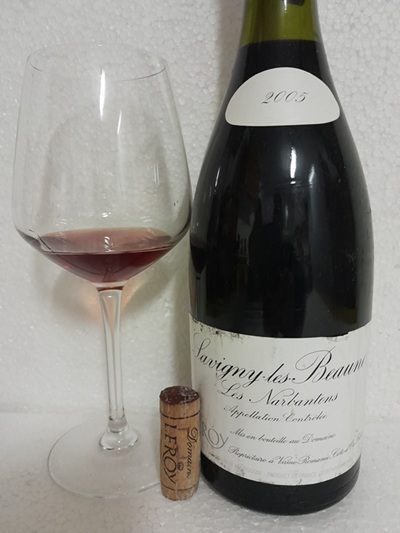
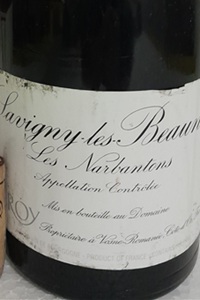 Savigny-lès-Beaune 1er Cru Les Narbantons 2005 Domaine Leroy
Score: 98/100
Average price: €3,800
100% Pinot Noir. Aged for 12–15 months in new oak barrels, in accordance with the Domaine’s practice.
It has a very pale red color, almost cherry-pink, with just a few flirtatious garnet hues at the rim. The aromatic profile is extraordinarily intense, like an oriental lullaby: hookah incense, pine needles, black cherry jam, and sweet spices. On the palate, it combines epic delicacy, expertly balanced acidity, and a velvety, caressing texture. The finish is endless, and the retronasal intensity is astonishing.
Extremely limited production and very hard to find. Undoubtedly—and not by any means coincidentally—considered the best wine in the entire appellation.
Note:
Prices are based on average market values for 2026 and may vary significantly depending on origin, sales channel, and the condition of the bottle.
RELATED ARTICLES