

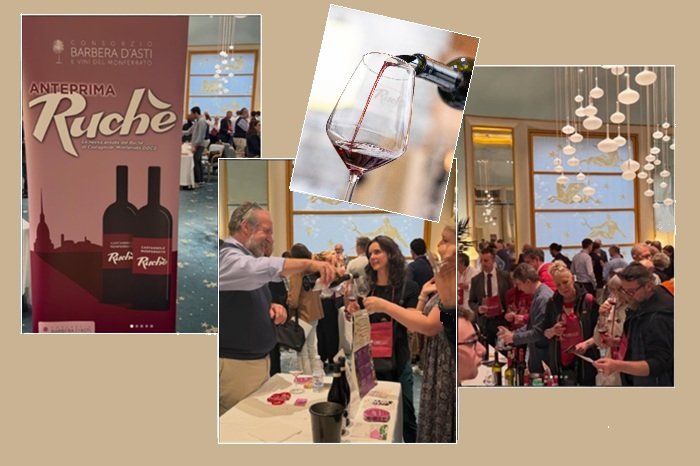
The profile of a denomination in full maturity emerges from the Turin Ruchè Preview. Between vintage versions, selections and reserves, Castagnole Monferrato’s iconic grape variety confirms personality, versatility and a growing ability to compete with Piedmont’s great reds. Luciano Pavesio tells us about it.
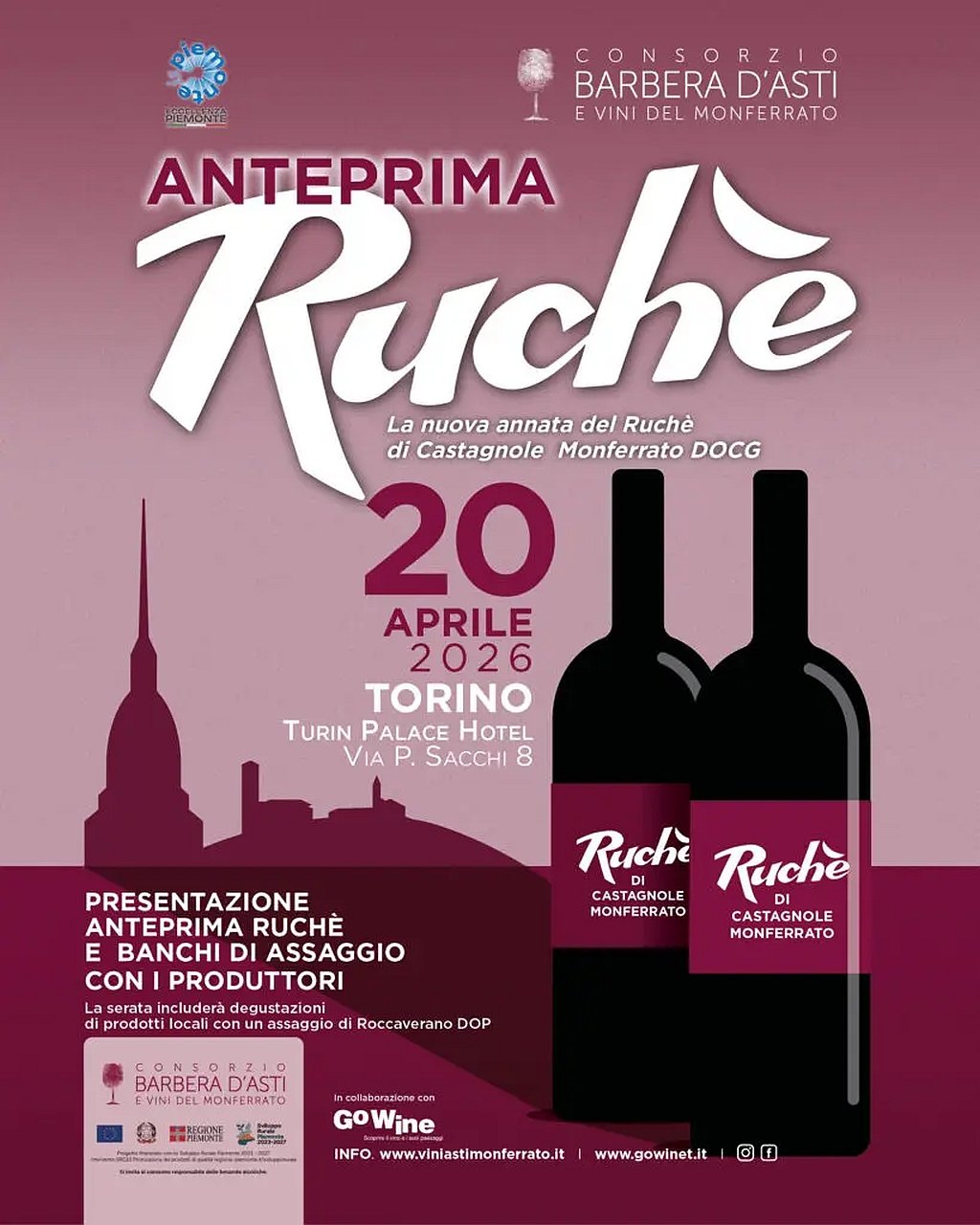
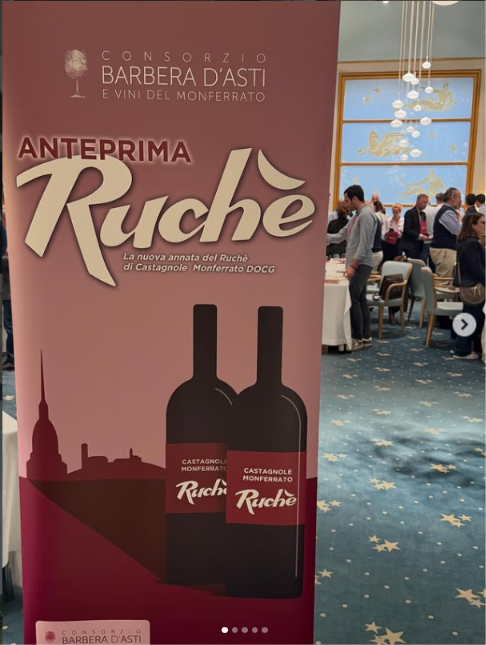
At the end of April, the Turin Palace Hotel in Turin hosted theRuchè Preview, an event organized by the Barbera d’Asti and Monferrato Wines Consortium in collaboration with the association GoWine, an ideal opportunity to discover the evolution of one of Piedmont’s most aromatic and identifying grape varieties.
Between tasting tables and face-to-face discussions with producers, a portrait emerged of a wine capable of being as immediate as it is of defying time through different interpretations and refinements.
Ruchè di Castagnole Monferrato: history and rebirth
 To place the Ruchè in the national panorama of indigenous grape varieties, let us recall that its cultivation has historically taken place in the Monferrato astigiano. In the municipalities of Castagnole Monferrato, Grana, Montemagno, Portacomaro, Refrancore, Scurzolengo and Viarigi, on calcareous and dry soils characterized by high insolation.
From 1987, the year of obtaining the Doc, Ruchè has grown steadily in notoriety and appreciation to become one of the most original expressions of this territory. Its rebirth is due to Don Giacomo Cauda who, in the 1960s, recovered this now almost abandoned grape variety, reviving its cultivation and enhancing its distinctive aromatic characteristics.
A wine with an important structure but with a particularly seductive aromatic component, which over time has won over both the female public and younger consumers. A path culminated with the recognition of the DOCG in 2010 and with a current production of about one million bottles.
Territorial expressions: the elegance of steel and the complexity of wood
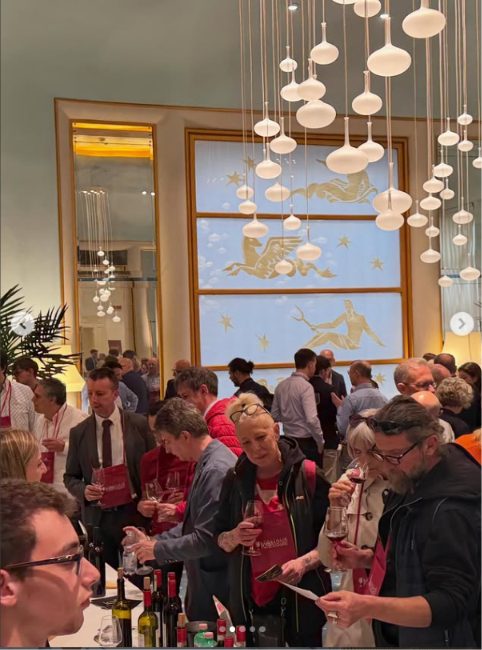

The tasting proved particularly interesting because, alongside historical realities of the appellation, it allowed us to discover lesser-known companies, less recent vintages and different interpretations of Ruchè. Confirming its extreme versatility and ability to express very different nuances.
- Gatto Pierfrancesco. Presents as a novelty the Caresana 2025, which relies entirely on the freshness of steel only (€8 target price), flanked by Riserva San Vittore, more structured and aged in large wood for about a year (€16).
- La Miraja. Offers an interesting comparison between the steel, vertical and fragrant 2025 (€12) and a Riserva 2021 of greater complexity and structure (€24).
- Tommaso Bosco. Ruchè Oltrevalle 2024 stands out for its strong character, full flavor and excellent drinkability (€12.50)
- Ferraris Agricola: One of the leading wineries in the area, with a truly wide range. Alongside the Clàsic version, which encompasses in a single bottle the expression of the seven communes of the appellation, the Vigna del Parroco 2024 (€17) stands out for its complexity and historical value, which comes from a single vineyard in which there are still many 60-year-old vines.
>Deserving special attention is the Opera Prima 2022 (€21), produced only in the best vintages with long macerations and nearly three years of aging in tonneaux, A wine with impressive structure, well supported by great freshness.
Two souls compared
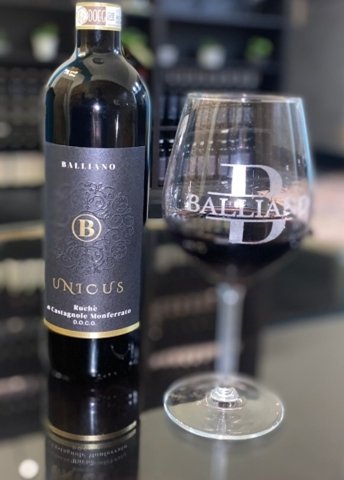 Balliano.The comparison between the 2025 and the Unicus Reserve 2022 is remarkable. The latter, with 12 months of aging in wood, shows a very elegant profile (€25).
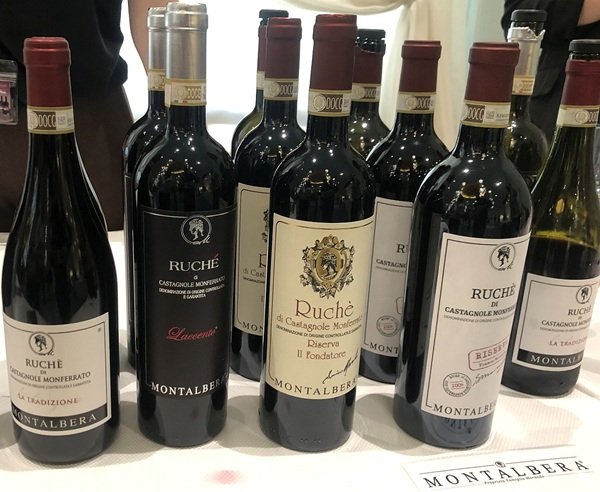
 - Montalbera. One of the spearheads of the appellation, with as many as 80 hectares dedicated to Ruchè. Tradizione 2024 (€15) remains a reference for balance and drinkability. Laccento (€19) offers more structure thanks to a portion of the grapes harvested slightly overripe.
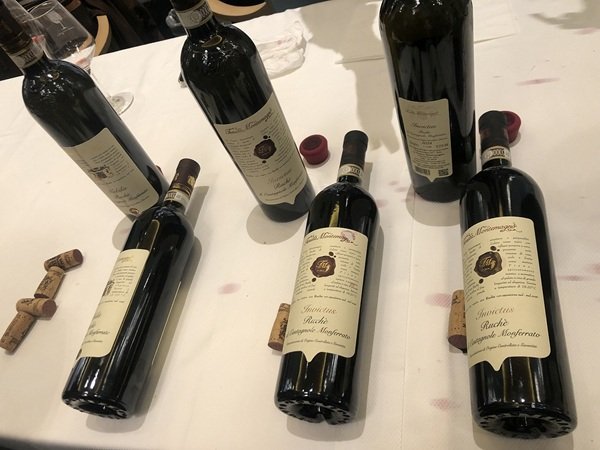
>Reserves Franco Morando 2023 (€25) and Founder 2023 (€28), obtained from a more rigorous selection of grapes and long aging in barriques and tonneaux, take the wine to higher levels of aromatic charge and complexity. - Montemagno estate. Extreme right from the harvest of the grapes, left to dry on the vine for a few weeks, Invictus 2024 (€18) is striking from the color, dark red with purple and black highlights, and offers an intense bouquet of ripe red fruit and balsamic hints of mint, rosemary and sage. The palate is full but at the same time fresh and not cloying.
- Cantine Sant’Agata. an articulated and crescendoing proposal that starts with the ‘Na Vota 2024 (€17), passes through the Pro Nobis 2022 (€24) and arrives at the Riserva Genesi 2021 (€35), demonstrating how the Scurzolengo territory offers distinctive and recognizable nuances.
Summary of profiles, prices and positioning
A fairly clear segmentation of the market emerges from the tastings:
- Vintage Ruché (steel). Prices ranging from 8€ and 13€. Immediate and aromatic wines, characterized by hints of rose and black pepper.
- Selections and Refinements. Prices between 15€ and 19€. Increased body and complexity, often due to passages in small or large wood.
- Reserves and Cru. Prices from 20€ to 28€. Long-lived wines, capable of evolving over time and telling the story of the character of individual vineyards.
An increasingly leading appellation
This preview confirmed how the Ruchè di Castagnole Monferrato has now abandoned the guise of “minor wine,” gaining a stable place among the most original and recognizable expressions of the Piedmontese wine scene.
Whether vinified exclusively in steel to preserve its primary aromas or elevated in wood to increase its complexity and evolutionary capacity. Ruchè continues to distinguish itself by an unmistakable aromatic signature and a personality that makes it unique among Italy’s great native grape varieties.