
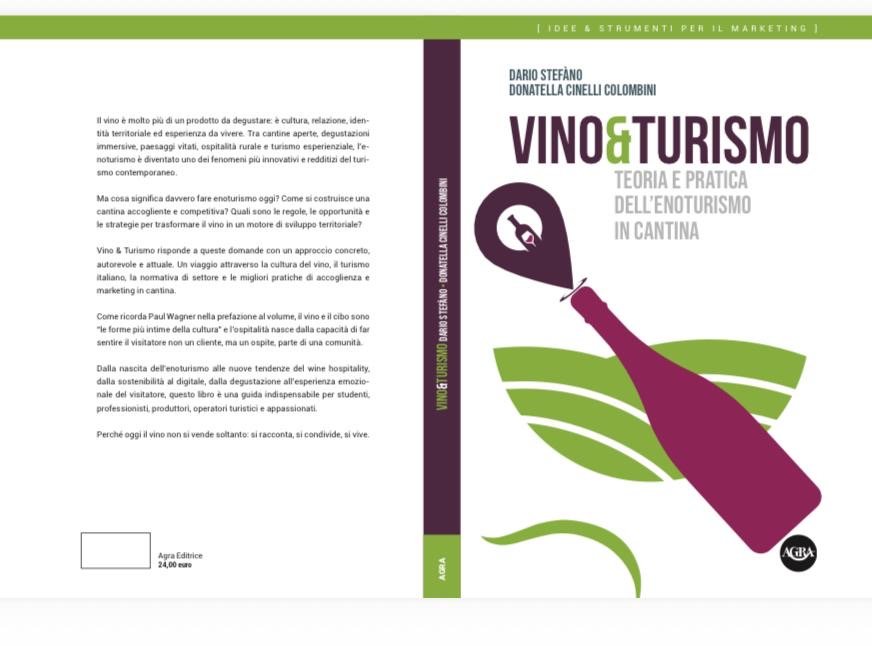
Presented at the Senate the volume “Wine & Tourism” by Dario Stefàno and Donatella Cinelli Colombini. The sector is growing by 9% a year in Italy, but companies are looking for skills in languages, communication, events and marketing.
Wine tourism, 20 million visitors to Italy: specialized figures needed to support growth
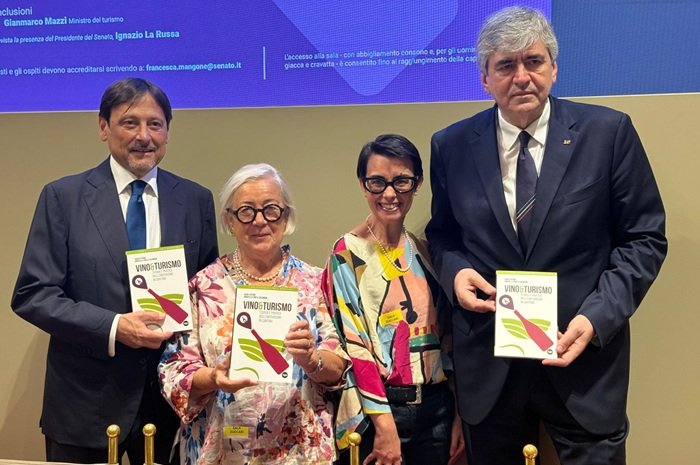
Italian wine tourism continues to run, but the challenge is no longer attracting visitors: it is finding qualified staff and making wineries truly accessible. This is what emerges from the presentation at the Senate of the volume “Wine & Tourism. Theory and practice of winery-based wine tourism,” signed by Dario Stefàno and Donatella Cinelli Colombini and presented at Palazzo Giustiniani in the presence of Tourism Minister Gianmarco Mazzi.
 Growing interest and record numbers
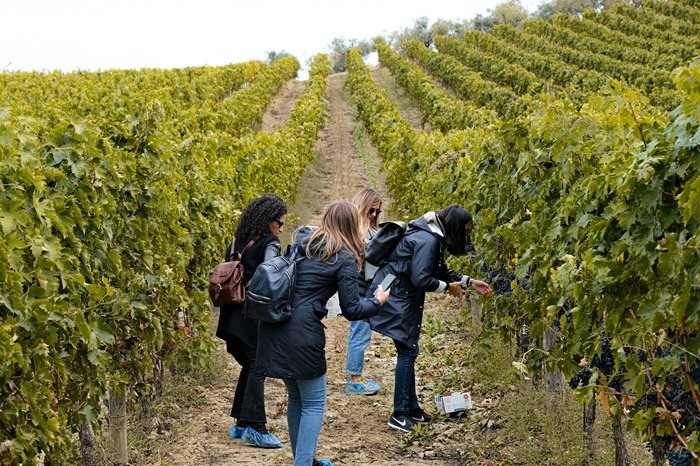
According to data illustrated by the authors, wine tourism in Italy involves about 20,000 wineries open to the public, of which between 8,000 and 10,000 are adequately equipped for hospitality, and generates more than 20 million visitors each year. A sector that is growing at a rate close to 9 percent annually and requires new professional skills.
Skills most in demand by wineries
The people most in demand by companies are those with language skills, communication skills, event organization and marketing management, both for managing the experience prior to the visit and for subsequent activities, such as wine clubs and e-commerce. Many companies, the authors point out, are looking for trained staff or refresher courses for operators who entered the industry as self-taught.
More and more foreign visitors
Also confirming the growing international weight of the phenomenon are data from CESEO, the Observatory created in synergy with the Wine Tourism Movement. For 30 percent of the member wineries of the Wine Tourism Movement, foreigners account for more than half of the visitors. A result that shifts the focus from promotion to accessibility, both physical and digital.
From welcoming to sustainability
“The real challenge is no longer to attract visitors, but to put them in a position to really get in touch with the wineries,” explained Donatella Cinelli Colombini, highlighting how wine tourism has become a strategic tool for the enhancement of territories and for the diversification of income for wine businesses. Hospitality model is also evolving: the winery visit goes beyond simple tasting to become an experience linked to wellness, sustainability and contact with the territory.
The strategic role of wine tourism
During the presentation, Tourism Minister Gianmarco Mazzi called wine tourism a key lever for expanding Italy’s tourism offer, while Agriculture Minister Francesco Lollobrigida reiterated the increasingly close link between tourism and agribusiness as distinctive elements of Made in Italy.