

The Côte des Bar is the least well-known region of Champagne, yet one of the most distinctive. In Les Riceys, Alexandre Bonnet interprets the terroir through a plot-by-plot approach that focuses on Pinot Noir and its extraordinary ability to express its place of origin. A journey through Champagne, Rosé des Riceys, and Coteaux Champenois, all in the name of identity.
I’d love to tell you that I’m an expert on Champagne, but alas, that would be a lie. And yet, every time, I find myself captivated by it—not so much because it’s easy to drink, but because it’s more of a wine than one might initially think.
From an oenological perspective, it is truly intriguing and complex, which, in my eyes, makes it very appealing. A product of its terroir, it expresses this in its many forms, and in recent years it has been doing so more and more. In short, saying “Champagne” means everything and nothing at all. Moreover, saying “Alexandre Bonnet” isn’t just saying “Champagne”; saying “Bonnet” means Côte des Bar And now I’ll explain why.
The Côte de Bar
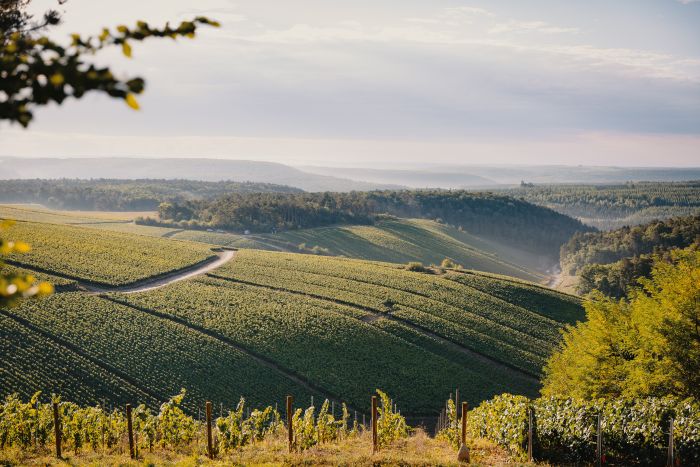
The Champagne Alexandre Bonnet project is as charming and elegant as it is ambitious. It all starts right where we are. We’re in the southern part of the appellation, in what is considered “The Other Champagne”.
Under the influence of neighboring Burgundy, it is considered the birthplace of Pinot Noir , which is celebrated here not only as Champagne (since 1927), but also as a red wine known as Coteaux Champenois and as a rosé known as Rosé des Riceys. In a nutshell, the reasons are:
- a lower latitude and, therefore, a milder climate, which is ideal for the proper ripening of red grapes
- mixed soil types and the presence of water in the area
- steep slopes
- various vineyard exposures
- ability to climb to higher altitudes
- the proximity of Burgundy, which has always exerted its influence, both in terms of wine and culture.
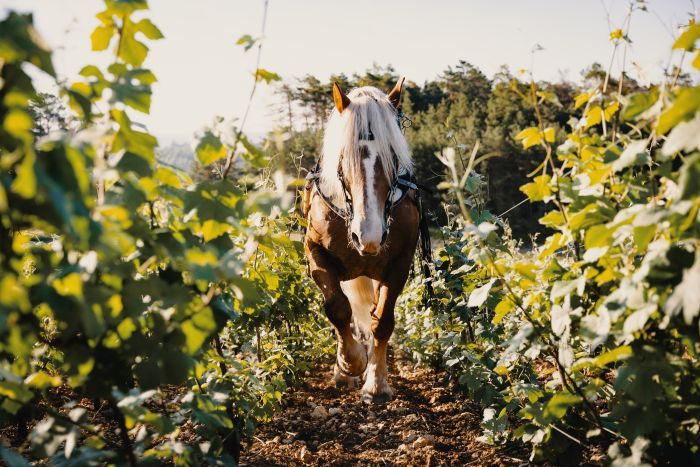
Biodiversity also thrives here biodiversity with a UNESCO trail dedicated to it. Industry is far away; you’re surrounded by vineyards, forests, and small villages that make you feel like you’re in a postcard.
Les Riceys It boasts 844 hectares of vineyards, making it the largest wine-growing municipality in Champagne. The locals make their living from viticulture and Champagne, the gateway to enotourism They’re opening up now, perhaps a little timidly. You have to earn this part of Champagne.
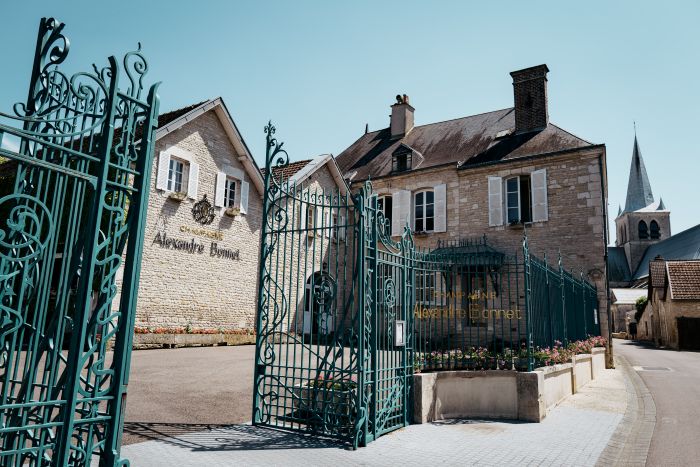
Alexandre Bonnet settled here in 1934.
Alexandre Bonnet


The person who tells me about the nature of this fashion house is Arnaud Fabre, who is now at the helm of A. Bonnet. Arnaud has a clear perspective: to understand these wines and this region, you must always keep the Burgundian influence in mind. It’s not just a matter of history—it’s a matter of blood, of DNA. This unique interpretation of the Pinot Noir It all starts right there. A sensitive grape variety, with great character and personality, it expresses itself differently depending on the specific vineyard area where it’s grown.
His preference for making one wine over another is easily explained: it is not the winemaker or the cellar master; rather, it is the grape variety itself that defines the wine’s identity based on the vineyard to which it belongs. That is why at Bonnet, the wines are made from separate plots; there are 30 of them, but they yield about 25 base wines. Some become individual vintage lots, while others contribute to the cuvée.
The dosages? Reduced to a minimum, they would only detract from the character of these wines. Bonnet’s style speaks for itself, without any embellishments, even if it means dividing opinion.
The “rebels”
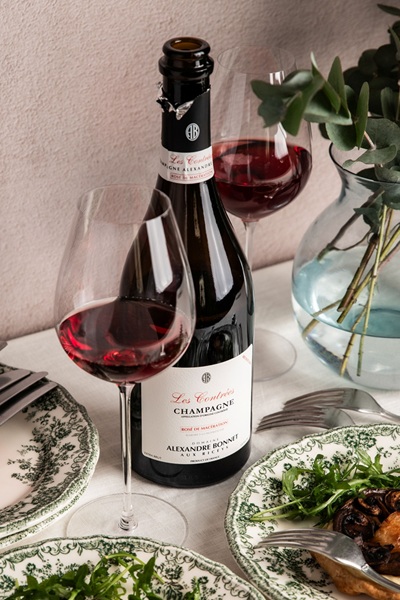
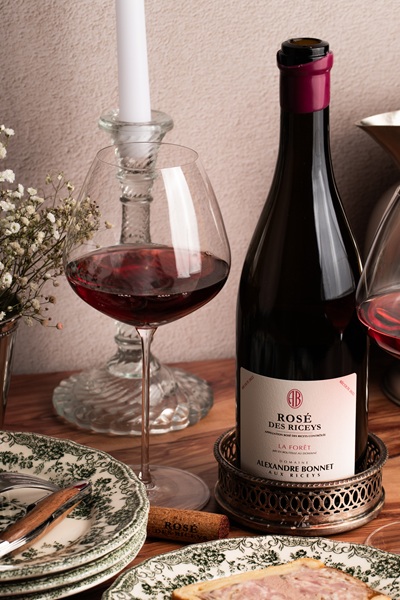
Speaking of wines that divide opinion, the Bonnet family has two rebels. I call them that because they’re not what you’d expect. In reality, they’re perhaps the most traditional wines—or at least that’s the case for the Rosé des Riceys. Not only Pinot Noir, but also an extraordinary skill (and sensitivity) in the cellar when working with it, using maceration techniques designed to produce rosé wines of great character.
I fell in love with the balance—not just of the rosé—still rosé wine—but also of macerated Champagne. A perfect blend of liveliness and lightness, and persistence and robustness. To create a wine like this, Red in the glass—with a persistent head and an exceptionally elegant perlage—requires excellent raw materials, rare sensitivity, and pinpoint timing.
None of us would think of the wine I’m talking about when we think of Champagne, but Rosé de Macération It certainly is. A perfect blend of festivity, elegance, and structure. Its remarkable finish boasts a rare cleanliness on the palate.
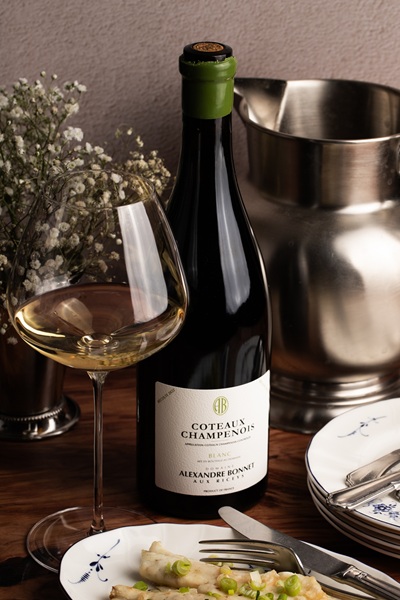
Drinks Rosé des Riceys Instead, it’s all about immersing yourself in history and tradition. A still wine resulting from intense maceration, it is nonetheless free of excess. It’s worth appreciating once again for its balance, the story it tells, its versatility in serving, and its ability to evolve over time. Last but not least, the Coteaux Champenois Blanc, a still white wine made from Chardonnay and Pinot Noir grapes.
Did you have any doubts that they could also make an excellent still white wine with Burgundy knocking at their door?
Alexandre Bonnet’s wines, and the full character of the Côte de Bar, are distributed in Italy by Sarzi Amadè.
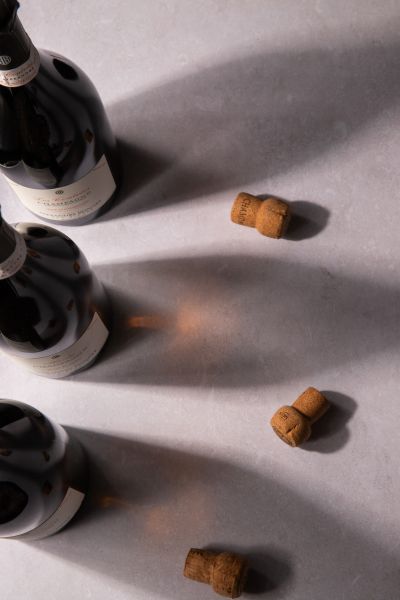
 Les Contrées Rosé de Macération Champagne 2020
 Score: 97/100
Estimated price: €120.00
100% Pinot Noir, macerated rosé. Classic method, extra brut. Disgorgement in 2025
Intense rosé color and persistent foam. Very inviting and immediate on the nose, with floral notes of blackcurrant and strawberry. Harmonious on the palate—salty, vibrant, bright, and slightly tannic. A beautiful balance of structure and agility. Three-dimensional. An extremely elegant finish, with a hint of blood orange followed by more balsamic and herbal notes. Very long and refreshing. An extraordinary exercise in style.
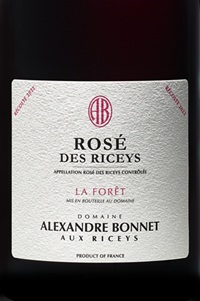 Rosé des Riceys La Forêt 2022
Score: 94/100
Estimated price: €70.00
100% Pinot Noir, whole clusters with stems. Rosé made by maceration, 3 days. Aged in stainless steel and, to a small extent, in wood.
Cherry red in color. The nose offers sharp, fresh fruity notes attributable to carbonic maceration. A hint of black pepper. It reveals savory notes right on the nose. On the palate, it is very salty, vibrant, long, and persistent. Notes of cherry and blackcurrant, wild strawberry, and pomegranate. Remarkable length and balanced body. The strawberry notes linger.
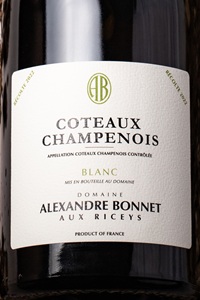 Coteaux Champenois Blanc 2022
Score: 92/100
Estimated price: €50.00
70% Pinot Noir and 30% Chardonnay. 60% aged in wood for at least 2 years.
Straw-yellow. A very intriguing nose with sweet, elegant, fresh, and well-defined notes. A delicious and very easy-to-drink palate with notes of apricot, a touch of saltiness, and a slight astringency. The vibrant and persistent acidity is interesting. Good body.