

Il Falconiere Relais & Spa has reopened with important new features: a vertical vegetable garden serving the star-studded cuisine, a completely renovated suite and an increasingly concrete path toward sustainability. Between wine, hospitality and territory, the Baracchi estate strengthens its role as a wine tourism destination of excellence in Cortona, Tuscany.
A new season between evolution and identity
With its reopening last week, Il Falconiere Relais & Spa ushers in a season that marks another step in the evolutionary journey of the estate owned by the Baracchi family, a historical reality of Tuscan wine tourism and a member of Relais & Châteaux.
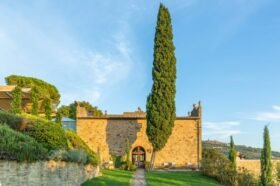
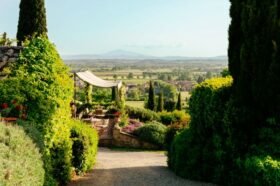
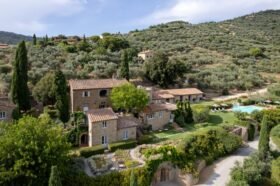
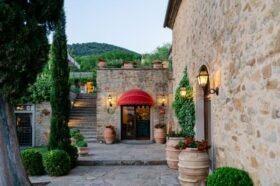
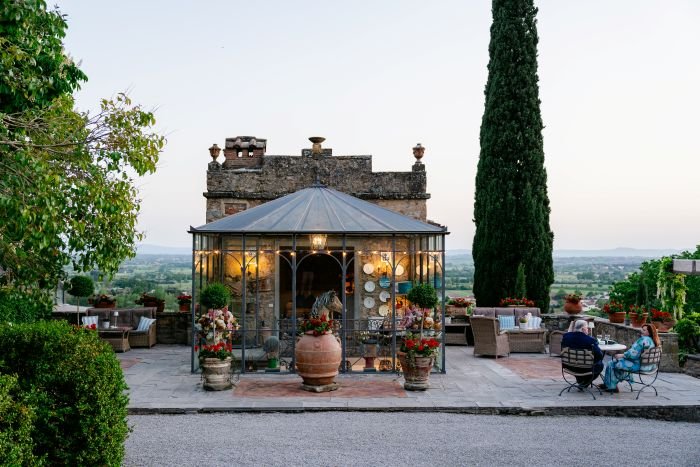
Located on the slopes of Cortona, in a 17th-century mansion nestled in the Valdichiana vineyards, the relais has for years represented a model of integration between high-end hospitality, wine production and gourmet dining. 2026 reinforces this vision, with an increasing focus on sustainability and land use.
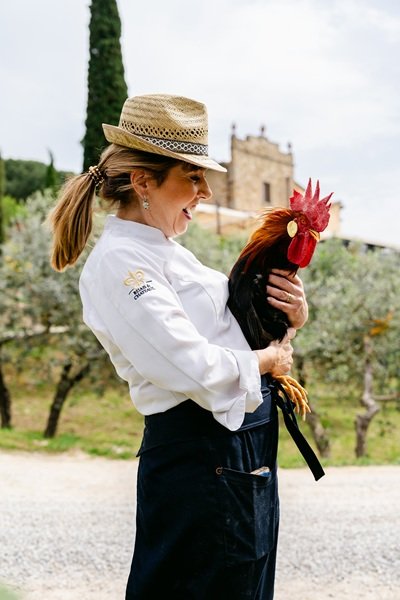
As Silvia Baracchi, star chef and owner, the path to sustainability certification formalizes an approach that is already ingrained: conscious growth that is mindful of resources and the agricultural context.
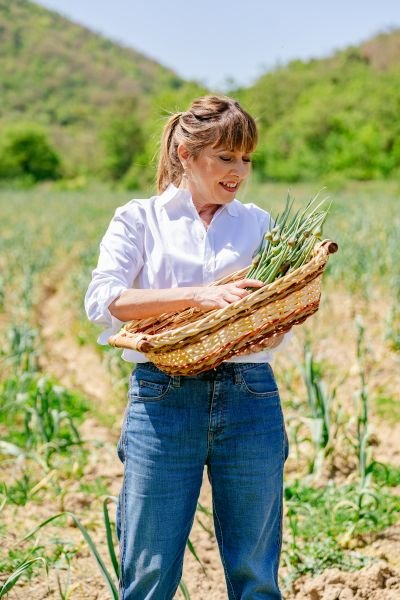
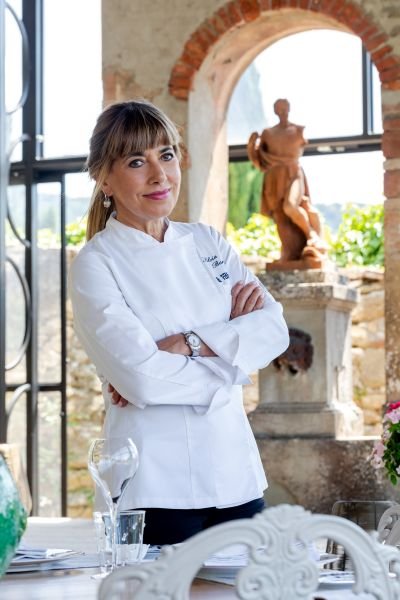
The vertical vegetable garden: from the soil to the table
Among the most significant innovations is the creation of a vertical vegetable garden, designed to directly feed the kitchen of the starred restaurant.
This is not just an aesthetic or functional choice, but an agricultural project real: daily harvesting, very short supply chain and direct control of production. A model that allows for Reduce waste and optimize resources., in line with contemporary best practices in sustainable haute cuisine.
The garden also becomes an experience for the guest, included in the “Garden & Kitchen” routes, which tell the story of the transition from harvest to plate, an increasingly central theme in evolved food and wine tourism.
Renewed hospitality: the Winery Master Suite
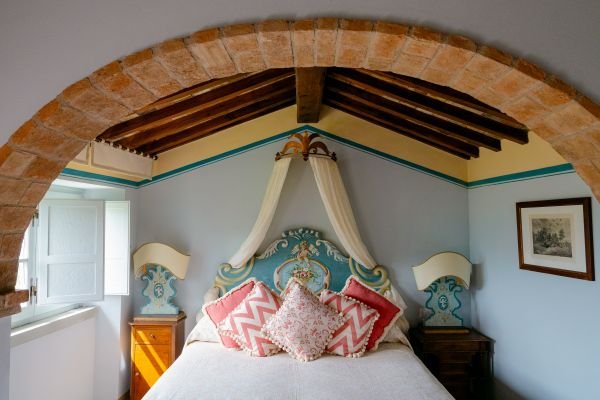
On the hospitality front, the new Winery Master Suite, completely redesigned.
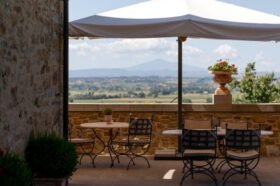
Expanded spaces, revisited materials and an even closer dialogue with the nearby winery: the suite interprets the estate’s winemaking identity in a contemporary way. The private garden with whirlpool and views of Cortona and the Valdichiana complete an experience designed for an increasingly demanding international audience.
Starred restaurant and the dialogue with the territory
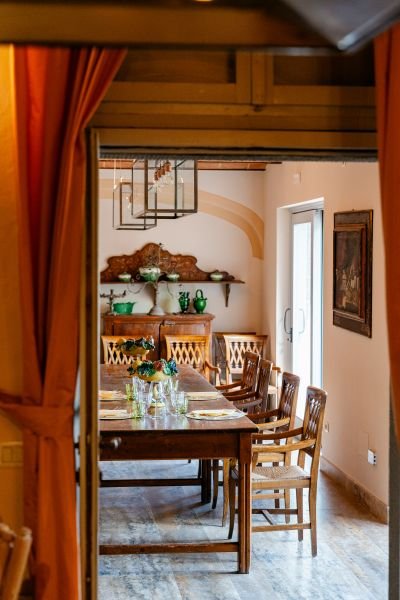
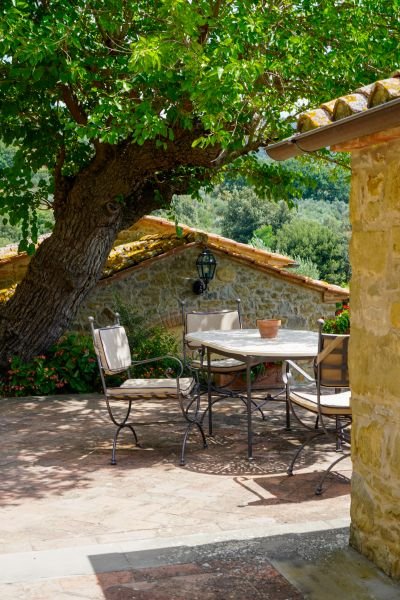
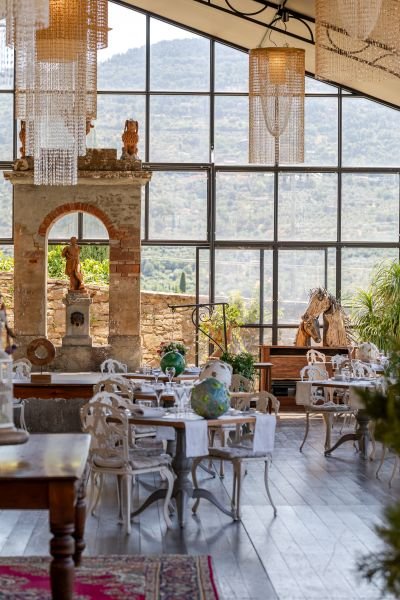
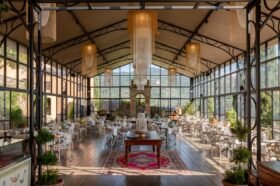
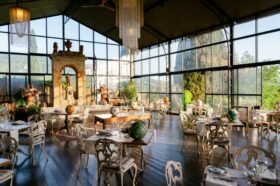
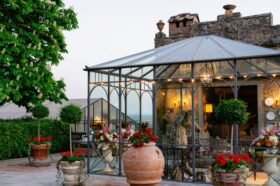
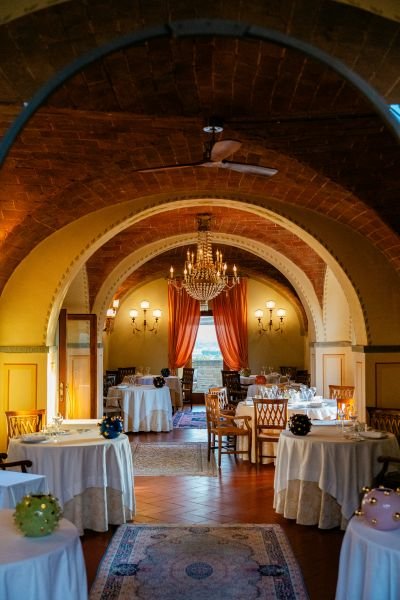
The heart of the Falconer remains the Michelin one-star restaurant, housed in the old lemon house and overlooking the vineyards.
Silvia Baracchi’s cuisine is distinguished by a distinct territorial imprint, built on farm ingredients-wines, vegetables, oil-and a contemporary sensibility that combines technique and storytelling.
In 2026, the menu is enriched with dishes dedicated to the eighth centenary of the death of St. Francis, a figure deeply connected to Cortona. A tribute that translates into a essential cuisine, respectful of nature and rooted in Franciscan values.
Wine and experiences: the role of Baracchi Winery
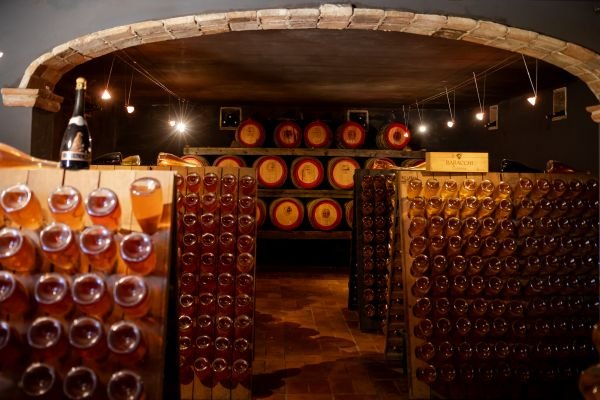
A short walk from the relais, the Baracchi Winery is the production hub of the estate.
Founded on a winemaking tradition that dates back to 1860, the winery is now led by Benedetto Baracchi and is also distinguished for its pioneering role in the production of sparkling wines from native grape varieties such as Sangiovese and Trebbiano.
The collaboration with oenologist Riccardo Cotarella has helped define a modern and recognizable style, while the wine tourism offerings include technical tastings and “Wine Immersion” programs that are increasingly popular with an international audience.
Wellness and culture: the spa and context of Cortona
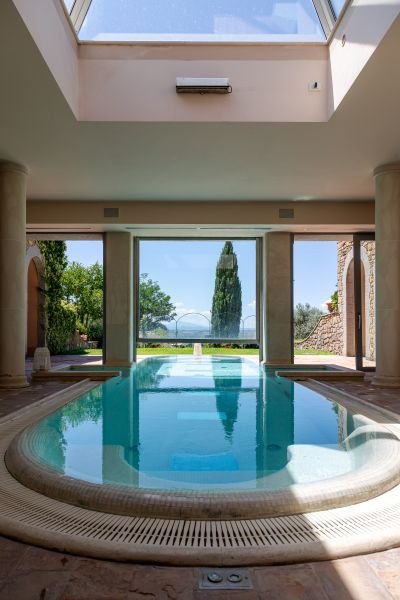
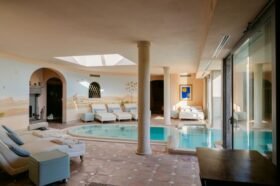
Experience is completed with the Thesan Etruscan Spa, inspired by the Etruscan deity of dawn, which offers treatments related to wine and oil, strengthening the link between wellness and agricultural identity.
The territorial context is equally decisive: Cortona, a crossroads between Tuscany and Umbria, is confirmed as a fascinating destination, still relatively sheltered from mass tourism. The proximity to iconic places such as the Eremo delle Celle, Arezzo and Assisi further expands the cultural value of the stay.
A model of contemporary wine tourism
With the news of 2026, The Falconer consolidates its positioning as a complete wine tourism destination, where wine, cuisine, hospitality and territory dialogue consistently.
Not just charming relais, but evolved farm, gastronomic laboratory and place of experience: a model increasingly central to the contemporary Italian wine narrative.